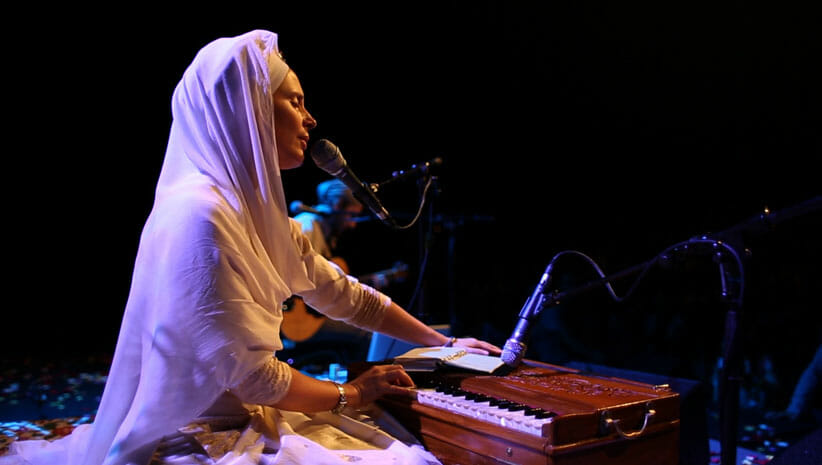
“Sing for the freedom of all beings.” In this poignant phrase, Snatam Kaur invites us to embrace a profound sense of interconnectedness and liberation. The act of singing transcends mere vocal expression; it becomes a vehicle for collective liberation. This call to action resonates deeply in a world often marked by division and suffering, urging us to recognize our shared humanity and the inherent freedom that lies within each being. The stakes are high: to sing is to awaken, to liberate not just ourselves but all beings from the shackles of ignorance and separation.
At its core, this quote encapsulates a vision of universal liberation that is both personal and communal. It challenges us to consider the implications of our actions and intentions, suggesting that our voices can be instruments of change. By singing for the freedom of all beings, we align ourselves with a higher purpose, one that transcends individual desires and taps into the collective yearning for liberation. This vision is not merely aspirational; it is a call to embody the very essence of compassion and love that underpins our existence.
The image / the metaphor
The imagery of singing evokes a sense of joy, celebration, and communal harmony. Singing is an act that engages the whole being, a physical and emotional expression that resonates with the vibrations of life itself. The choice of the word “freedom” is particularly striking; it suggests a liberation that is not just physical but also spiritual and emotional. In this context, singing becomes a metaphor for the release of burdens, the shedding of limitations, and the awakening of the soul to its true nature.
Diving deeper into the metaphor, we find that singing symbolizes the act of sharing one’s authentic self with the world. It is an invitation to express our innermost truths and to connect with others on a profound level. When we sing for the freedom of all beings, we are not only advocating for their liberation but also acknowledging our own interconnectedness. This act of vocal expression becomes a sacred practice, a way to harmonize our individual voices into a collective symphony that celebrates the essence of life itself.
In the speaker's tradition
Snatam Kaur's call to sing for the freedom of all beings is deeply rooted in the Sikh tradition, which emphasizes the concepts of dharma and seva (selfless service). In Sikhism, the idea of liberation is intertwined with the understanding of oneness and the divine presence in all beings. This perspective encourages practitioners to engage in acts of compassion and service, recognizing that true freedom arises from the dissolution of the ego and the embrace of a collective identity. The practice of bhakti, or devotion, further underscores this sentiment, as it invites individuals to surrender their individual desires for the greater good.
A relevant text that echoes this sentiment is the Guru Granth Sahib, which teaches that the divine is present in all creation and that liberation is achieved through love and service to others. The concept of “sangat,” or community, reinforces the idea that our spiritual journey is not solitary but rather a shared experience. By singing for the freedom of all beings, we participate in a sacred act that aligns with the teachings of the Gurus, fostering a sense of unity and collective liberation.
Living the teaching
Consider a modern scenario where this teaching finds resonance: a community gathering aimed at addressing social injustices. In such a space, individuals come together to share their stories, their struggles, and their hopes. As they sing songs of freedom and resilience, they create a powerful atmosphere of solidarity and healing. This collective act of singing not only uplifts the spirits of those present but also serves as a reminder of the interconnectedness of their struggles and triumphs. In this way, the act of singing becomes a catalyst for change, inspiring participants to take action toward liberation.
In a more personal context, imagine a moment of conflict within a relationship. Instead of allowing anger or resentment to dominate, one might choose to embody the spirit of this teaching by expressing their feelings through open and honest communication. By “singing” their truth—sharing vulnerabilities and desires—they create space for understanding and healing. This practice of vocal expression fosters deeper connections and paves the way for mutual liberation from the constraints of misunderstanding and hurt.
A reflection
As we contemplate the profound invitation to “sing for the freedom of all beings,” we are called to reflect on our own lives and the ways we can contribute to the liberation of ourselves and others. What does it mean for you to sing your truth in a world that often silences voices? In what ways can you embody this teaching in your daily interactions, fostering a sense of freedom and connection with those around you? Allow this question to resonate within you, guiding your actions and intentions as you navigate the complexities of existence.