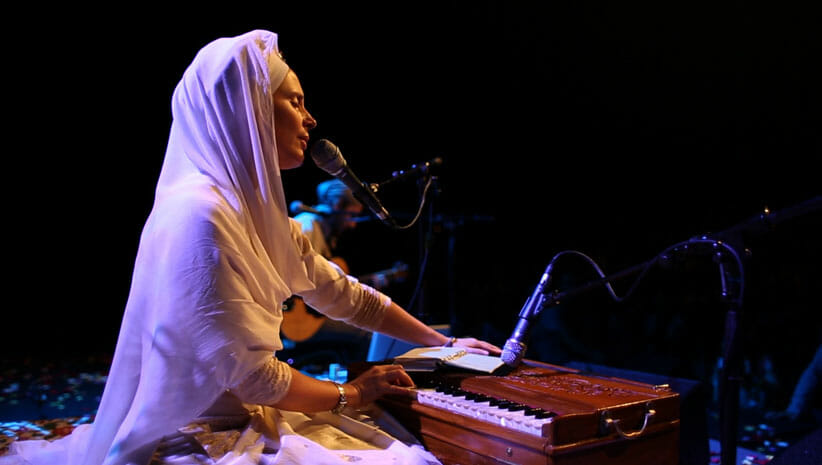
Snatam Kaur's assertion that "to pray with sound is to pray with the body" invites us to consider the profound connection between our physical selves and our spiritual practices. This statement emphasizes that prayer is not merely a mental or verbal exercise; it is an embodied experience that engages our entire being. In a world often dominated by the intellect, this perspective serves as a reminder of the importance of integrating our physicality into our spiritual expressions, thus enriching our connection to the divine.
By framing prayer as an act that involves sound and the body, Kaur encourages us to explore the vibrational quality of our existence. Sound, in this context, becomes a medium through which we can express our innermost feelings and intentions. This understanding of prayer as an embodied practice resonates deeply within various spiritual traditions, suggesting that the act of praying is not just about the words we utter but also about the energy we embody and the resonance we create in the world around us.
The image / the metaphor
The imagery in Kaur's quote evokes a sense of wholeness, where sound and body are intertwined in a sacred dance. The verb "to pray" suggests an active engagement, a dynamic interaction with the divine that transcends mere recitation of words. When we think of sound, we often associate it with vibration, frequency, and resonance—elements that can be felt in our bodies. This connection highlights the idea that our physical presence is integral to the act of prayer, transforming it into a holistic experience that encompasses our entire being.
In the speaker's tradition
Within the Sikh tradition, the concept of embodying prayer through sound is deeply rooted in the practice of *shabad kirtan*, where sacred hymns are sung to connect with the divine. This practice reflects the principle of *bhakti*, or devotion, which emphasizes the importance of heartfelt expression in spiritual practice. The act of singing or chanting is not merely a performance; it is a way of surrendering oneself to the divine, allowing the sound to flow through the body and into the world. This aligns with the Sikh understanding of *dharma*, where living in accordance with one’s true nature involves engaging the body, mind, and spirit in harmony.
Moreover, the Sikh scripture, the Guru Granth Sahib, is replete with verses that emphasize the significance of sound and vibration in spiritual practice. For instance, the concept of *naad*, or the divine sound, is central to understanding how sound can lead to spiritual awakening. The Guru Granth Sahib teaches that through the repetition of sacred sounds, one can experience a state of *sunyata*, or emptiness, which opens the heart to divine presence. This illustrates how Kaur's quote is not only a personal insight but also a reflection of a broader spiritual tradition that values the integration of sound, body, and prayer.
Living the teaching
Consider a modern scenario where an individual is navigating the complexities of daily life—perhaps a busy professional feeling overwhelmed by stress. In such moments, the practice of engaging with sound can serve as a grounding technique. By taking a few moments to chant a mantra or sing a sacred song, one can reconnect with their body and spirit, transforming the experience of stress into an opportunity for prayer. This practice not only alleviates tension but also fosters a deeper sense of presence and awareness, allowing the individual to approach their challenges with a renewed sense of clarity and purpose.
In relationships, the embodiment of prayer through sound can manifest in the way we communicate with loved ones. Imagine a couple facing a difficult conversation; instead of merely exchanging words, they might choose to express their feelings through a shared song or chant. This approach can create a space of vulnerability and connection, allowing both partners to engage more deeply with one another. By embodying their emotions through sound, they can transcend the limitations of language and foster a more profound understanding of each other’s experiences.
A reflection
As we contemplate Snatam Kaur's insight that "to pray with sound is to pray with the body," we are invited to explore the ways in which we can embody our spiritual practices. How can we integrate sound into our daily lives to deepen our connection with ourselves and the divine? This question encourages us to reflect on our own practices and consider how we might enrich our spiritual journeys through the vibrational power of sound and the fullness of our embodied experience.