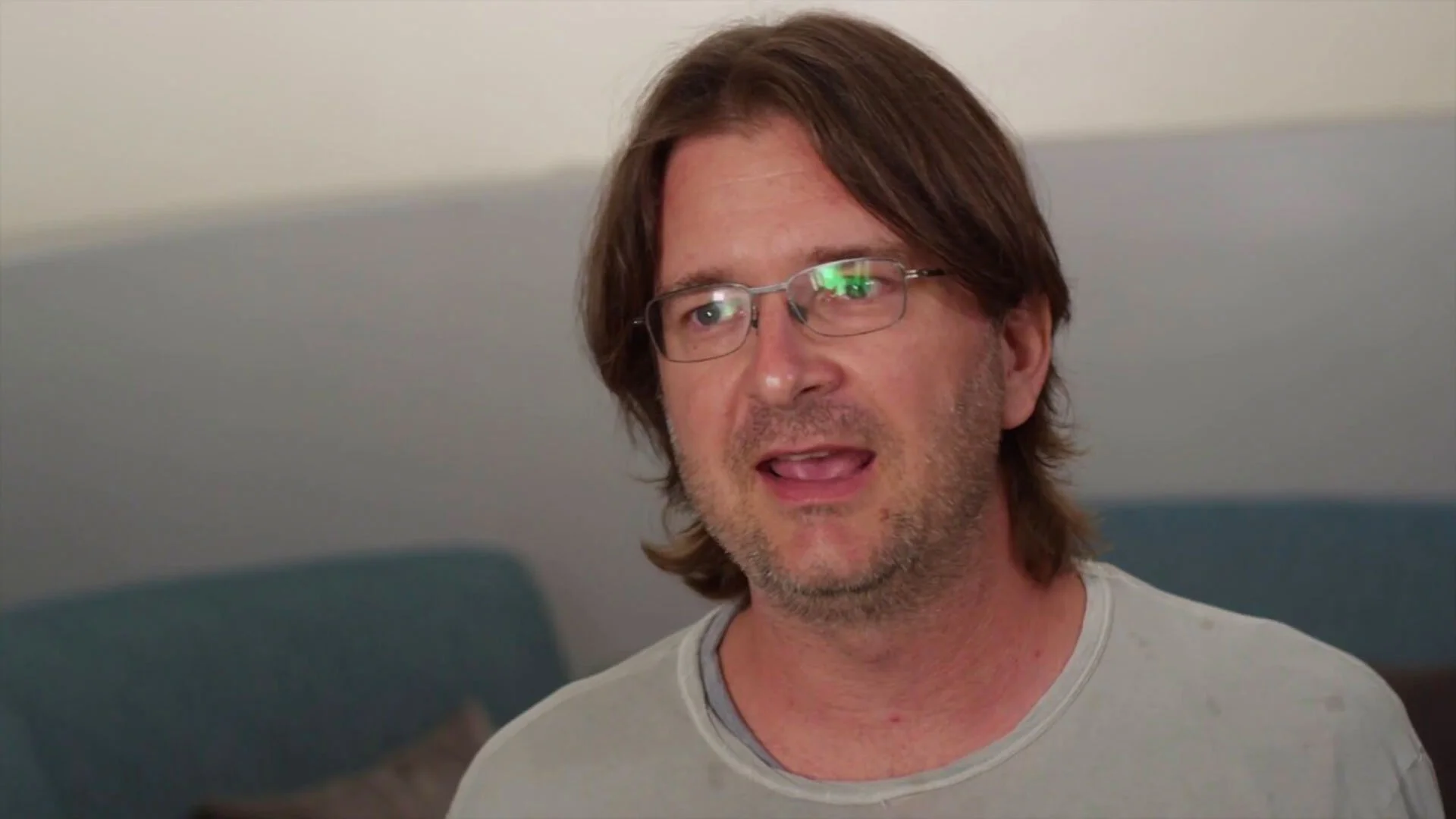

Zach Leary's Teaching: Approach, Method, and Voice
Zach Leary teaches in the middle space—between clinical protocol and contemplative insight, between harm reduction pragmatism and historical reverence. His sessions, whether within the eight-week Psychedelic Studies Intensive or in shorter workshop formats, are structured but not rigid. They unfold with the clarity of someone who has synthesized MAPS methodologies, neurobiological research from Johns Hopkins and NYU, and lineage teaching from Ram Dass into a framework meant to be practiced, not merely studied. A typical session moves through didactic transmission—neurochemistry, client assessment models, trauma-informed care—then shifts into case study analysis, ethical scenario work, and integration practices drawn from contemplative traditions. The rhythm is deliberate: input, reflection, application.
What distinguishes Leary's approach is his insistence on holding both rigor and humility. He does not traffic in the mystical inflation that sometimes accompanies psychedelic education, nor does he reduce the work to mere technique. He positions facilitation as a practice that requires ongoing self-examination, cultural literacy, and a studied awareness of power dynamics in the therapeutic container. Students report that sessions feel grounded—less inspirational sermon, more practitioner training. There is space for silence, but it is functional silence, not performative. There is humor, but it tends toward the wry observation rather than the charismatic anecdote.
Recurring Themes and Core Questions
Leary consistently returns to a set of organizing principles: the primacy of set and setting, the inseparability of preparation and integration, and the critical necessity of consent and safety within sessions. He revisits the question of what it means to hold space without imposing interpretation, a teaching drawn directly from both clinical evidence and contemplative lineage. His curriculum treats the facilitator not as guide or guru, but as informed presence—someone trained to recognize contraindications, manage adverse reactions, and resist the temptation to direct another person's non-ordinary state.
The questions he asks students to sit with are not abstract. What does it mean to facilitate a session for someone whose worldview differs fundamentally from your own? How do you assess readiness when both research literature and personal intuition offer contradictory signals? What ethical obligations do you carry when operating in legal and regulatory grey zones? These are the tensions his students confront weekly, and Leary does not resolve them with tidy answers. Instead, he models a kind of disciplined uncertainty—an acknowledgment that this field is still forming, that much remains unknown, and that competence includes recognizing the limits of one's knowledge.
Aesthetic and Delivery
Leary's delivery is understated. He does not perform revelation. His voice carries the cadence of someone who has spent years in conversation with researchers, clinicians, and elders within the psychedelic community, and who now translates that accumulated knowledge into transmissible form. He references Timothy Leary and Terence McKenna not as mythic figures but as historical actors with specific contributions and limitations. He draws on Ram Dass's teaching without sentimentality, extracting method rather than mystique. Scripture, when it appears, is more likely to come from research papers than sacred texts, though he is conversant in both.
The aesthetic is educational in the classical sense—organized, cumulative, responsive to questions. Leary does not rely heavily on storytelling for emotional impact, though he will use case examples to illustrate clinical decision points. His teaching is not designed to catalyze peak experiences in the classroom; it is designed to prepare practitioners for the complex, often unglamorous work of sitting with someone else's transformation.
Who It Lands For, Who It Doesn't
This approach lands for those seeking structured training over inspiration. It appeals to clinicians, therapists, and wellness practitioners who want evidence-based frameworks and ethical scaffolding. It suits students comfortable with neurobiological detail, legal ambiguity, and the slow work of integration. It is not for those seeking charismatic leadership, quick certification, or permission to operate outside recognized standards of care.
Some may find the tone too measured, the material too dense, or the emphasis on caution at odds with their own psychedelic experiences. Leary does not validate recklessness or romanticize risk. His teaching assumes that facilitation is serious work requiring preparation, supervision, and ongoing education—an assumption that will chafe against more libertarian or countercultural orientations within the psychedelic community.
Tradition and Context
Leary belongs to a teaching lineage shaped by both clinical psychedelic research and the contemplative traditions that informed figures like Ram Dass. He operates within the emerging professionalization of psychedelic-assisted therapy, drawing on MAPS, the Shulgins, and contemporary neuroscience while remaining alert to the field's colonial histories and ethical pitfalls. His work is part of the broader movement to integrate psychedelics into legitimate therapeutic practice, and his teaching reflects the tensions inherent in that project: honoring lineage while building infrastructure, respecting mystery while demanding rigor.