In 2017, supermodel and entrepreneur Gisele Bündchen stepped into the world of electronic music production, collaborating with French producer Bob Sinclar on a music video for the track "Heart of Glass." Released through Ultra Music Records, the project represents a brief but notable intersection between celebrity culture and dance music—a phenomenon that has reshaped both industries over the past two decades.
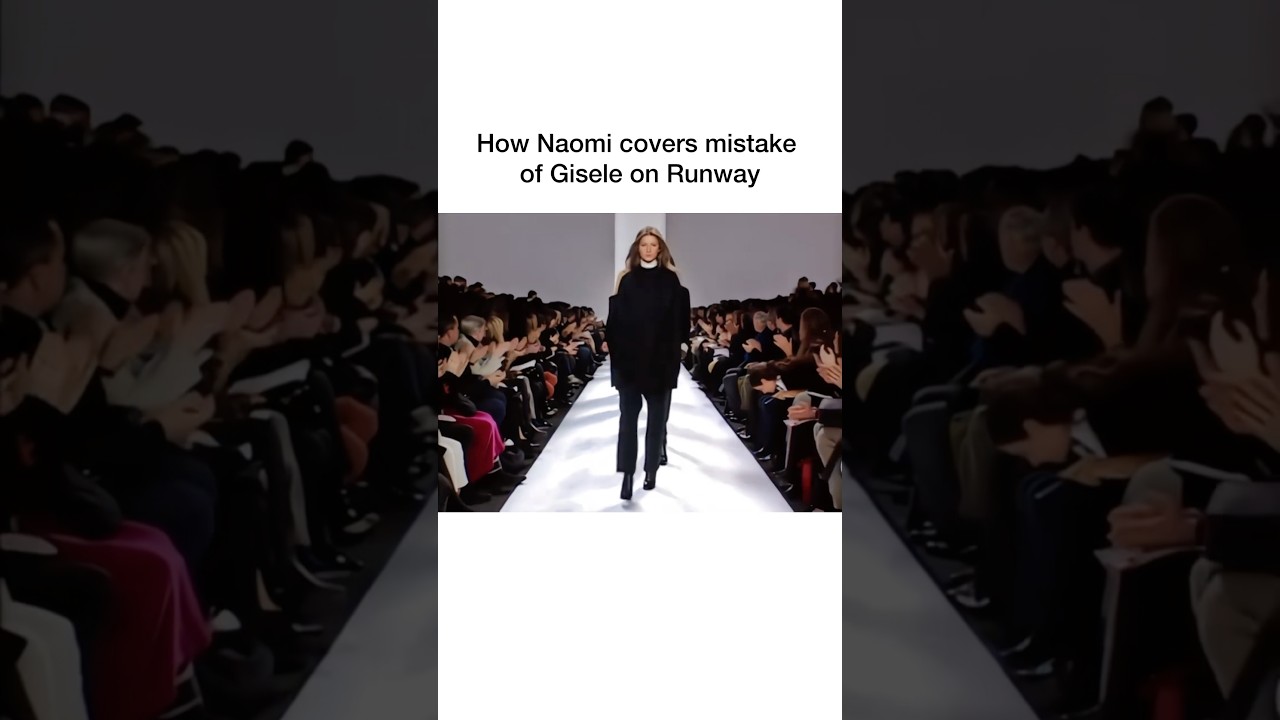
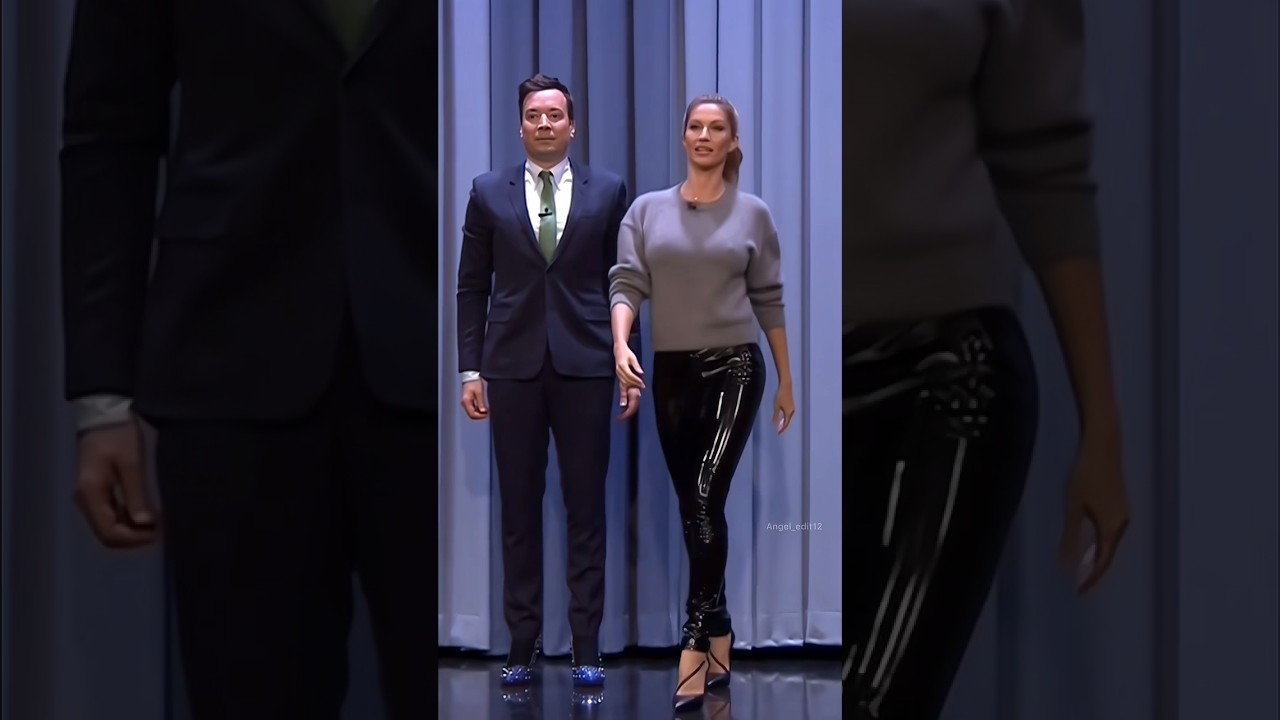
The video itself takes the form of a behind-the-scenes documentary, a format that has become increasingly popular in contemporary music production. Rather than presenting a polished, narrative-driven music video, the behind-the-scenes approach invites viewers into the production process itself—the preparation, the technical setup, the creative decisions made during filming. This format serves multiple purposes: it demystifies the creation of music video content, creates an additional layer of entertainment value, and offers fans a more intimate glimpse into how contemporary media is constructed.
Bob Sinclar, a Parisian house and electronic music producer with a significant catalog dating back to the 1990s, brought his production expertise to the collaboration. The choice of a supermodel as the focal point of an electronic dance music video reflects the broader trend of celebrity-driven content in the streaming era, where the appeal of a recognizable figure can significantly amplify a track's reach and cultural visibility. The track "Heart of Glass" itself sits within the contemporary dance-pop landscape, a space where accessibility and production quality are paramount.
The three-minute-ten-second duration of the video reflects standard formats for platform optimization—long enough to establish a visual and sonic identity, short enough to maintain viewer attention in an era of rapid content consumption. The modest view count of just over 6,100 at the time of this documentation suggests that while the collaboration generated interest, it remained a relatively niche project within both Bündchen's expansive portfolio and the broader electronic music ecosystem.
For Bündchen, known primarily for her work as a fashion model and later as an entrepreneur and businesswoman, this foray into music video production represents one of several ventures beyond her core professional identity. The music industry has long provided opportunities for celebrities to extend their brand presence, and a collaboration with an established electronic music producer positions such work within a framework of legitimate musical production rather than celebrity novelty.
The release through Ultra Music Records, a label with significant history in dance and electronic music, grounds the project within established industry infrastructure. This is not an independent or DIY production, but rather a formally released track backed by professional distribution and marketing mechanisms. The label's involvement signals a commitment to treating the collaboration as a legitimate musical release, not merely a celebrity vanity project.
Behind-the-scenes content has become a crucial component of modern music marketing. By offering viewers access to production details, creative choices, and the technical work involved in making a music video, artists and labels provide context that can deepen engagement and create narrative arcs around their work. The format acknowledges audience curiosity about process—how are decisions made? What does the production environment look like? What unseen labor goes into completed visual work?
The convergence of celebrity, electronic music, and visual media represented by this project reflects broader shifts in contemporary entertainment. Streaming platforms have democratized both content distribution and consumption, allowing niche projects significant visibility while also fragmenting attention across millions of competing releases. In this landscape, collaborations between recognizable figures and established producers serve as anchor points—moments where distinct audience bases might overlap and discover one another's preferred content.
The Bündchen-Sinclar collaboration, while modest in scale and limited in documented impact, participates in an ongoing conversation about where celebrity ends and artistic practice begins, and how visibility in one domain (fashion, business) can be leveraged or converted into participation in another (music production). Whether the project resonated with listeners as a genuine musical contribution or functioned primarily as a celebrity vehicle remains open to interpretation—a duality that has defined celebrity music ventures for decades.