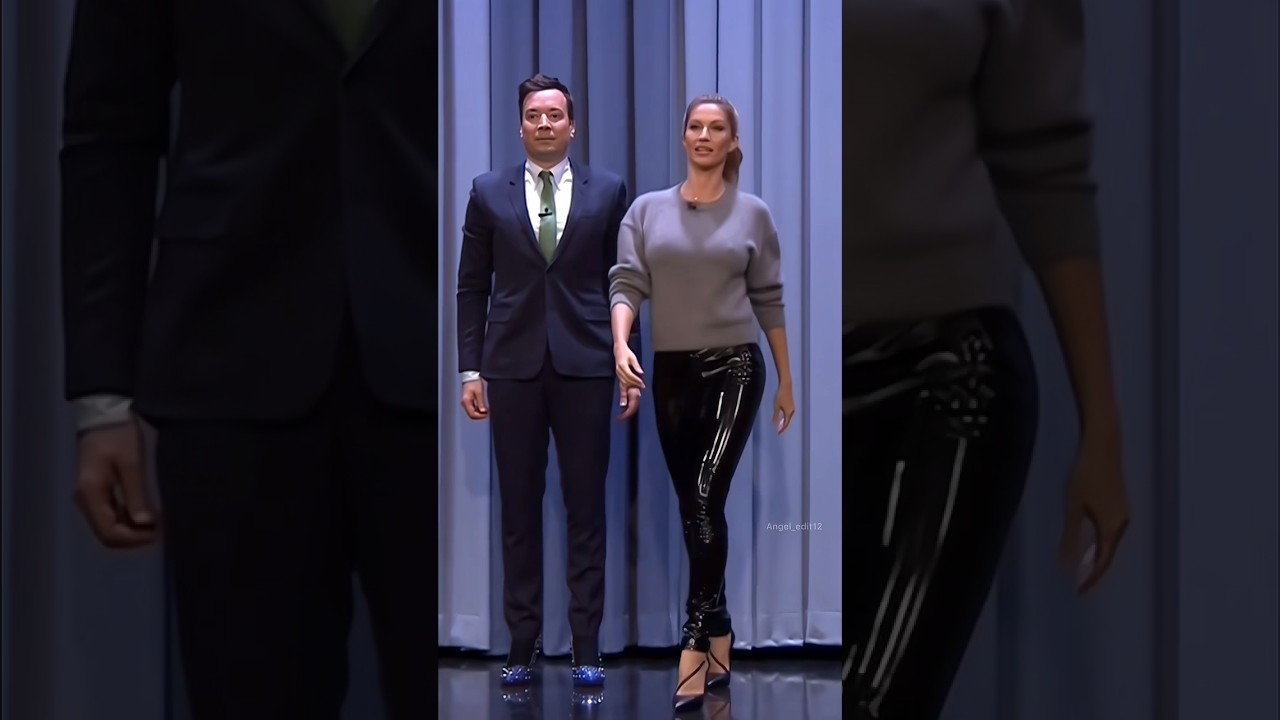
There are moments in fashion that reveal less about clothes than about character—when the bright lights and camera flashes fade and what remains is pure human presence. One such moment arrived when Gisele Bündchen, one of the world's most accomplished supermodels, found herself struggling to walk the runway with her usual command. Instead of allowing the moment to become awkward or memorable for the wrong reasons, Naomi Campbell—icon, trailblazer, and decades-long fixture of the industry—seamlessly stepped in.
The runway is theatre. It is a space where bodies move through light and narrative, where a single misstep can become the story instead of the clothes. But what this moment illustrated is something deeper: the runway is also a stage for human grace under pressure. When Campbell moved to cover for Bündchen, she wasn't performing rescue—she was demonstrating the kind of presence that separates someone who has learned to move in front of an audience from someone still learning.
Bündchen's struggle and Campbell's response speak to a truth fashion journalism often overlooks: professionalism in this world is not about perfection. It's about presence of mind. It's about understanding that you are never alone on a runway, that the show is larger than any single body, and that the measure of a model is partly how she handles what goes wrong. Campbell's "effortless presence of mind," as observers noted at the time, is the fruit of a career spent learning to hold space—for herself, for the clothes, for the audience, and when needed, for a fellow professional in a vulnerable moment.
This kind of camaraderie rarely makes headlines because it happens at the speed of intuition. There is no pause, no announcement. The audience may not even register that anything unusual has occurred. But within the world of high fashion, where competition is fierce and the spotlight is bright, such moments reveal the difference between those who are simply walking and those who understand the deeper craft of presence.
If you're interested in the philosophy of professionalism in high-pressure environments—whether fashion, performance, or any field where presence matters—explore interviews and retrospectives featuring both Campbell and Bündchen on their approaches to craft and stage presence. The fashion archives and documentary work on runway culture offer deeper insight into how seasoned professionals train presence and respond to the unexpected.