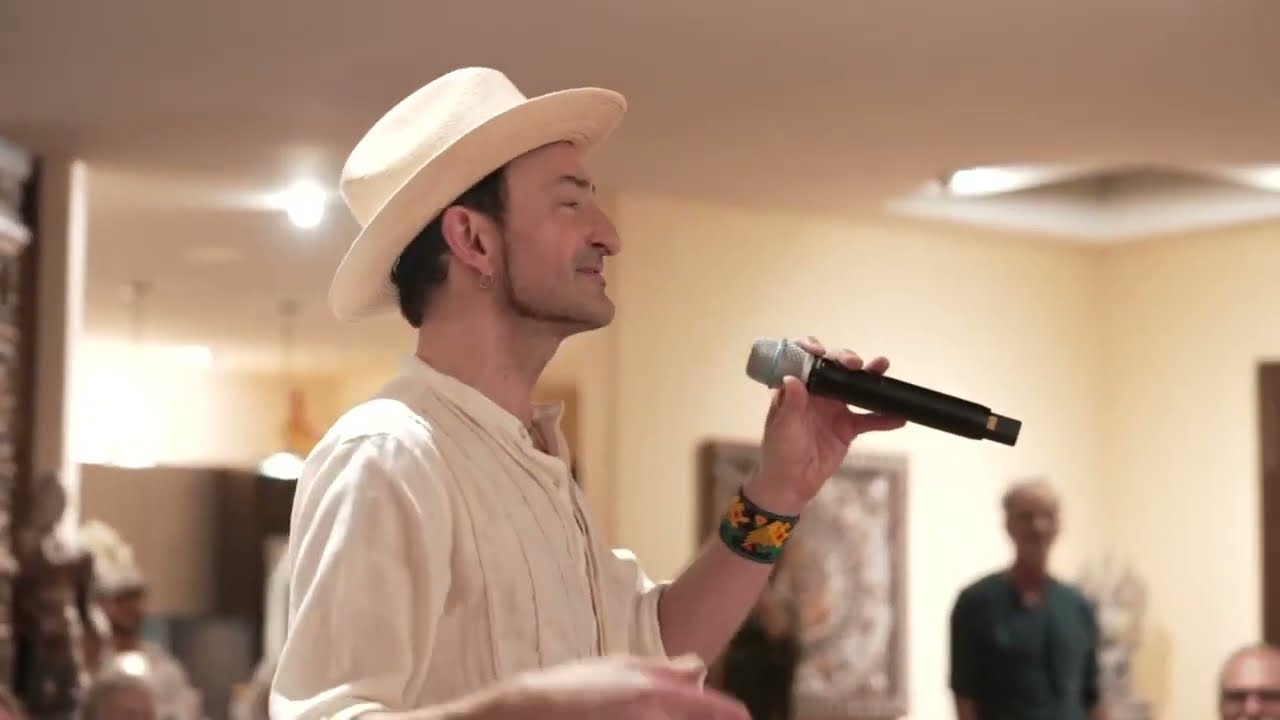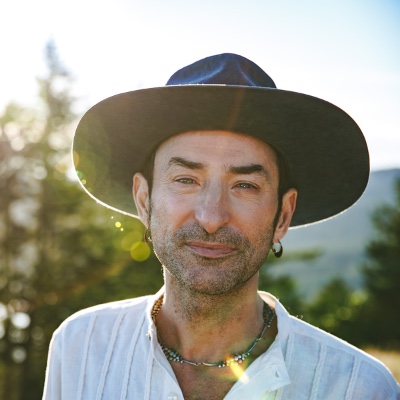
Rafe Pearlman presents a live musical performance at the Orcas Center, featuring kirtan (call-and-response devotional singing), chanting, and conscious music rooted in spiritual and contemplative traditions. The performance demonstrates how sound, rhythm, and participatory singing can serve as a gateway to deeper states of awareness and communal resonance.
What is Kirtan and How Does It Work as a Spiritual Practice?
Kirtan is a form of participatory devotional chanting rooted in yogic and bhakti (devotion-based) traditions. Unlike performances where the audience passively listens, kirtan invites listeners to join in the call-and-response pattern: the musician or teacher sings a line or phrase, and the group echoes it back. This creates a feedback loop where individual voices merge into a collective sound field.
The practice has been used for centuries as a method to quiet the thinking mind and access deeper layers of consciousness. Rather than requiring intellectual understanding, kirtan works through rhythm, melody, and the physical resonance of sound vibration in the body. When a group of people chant together, the combined vocal frequencies can produce a felt sense of harmony and unity that transcends individual ego or thought patterns.
Why Does Chanting Produce Measurable Physiological Changes?
Sound vibration directly affects the nervous system. When you chant or sing, your voice creates frequencies that resonate through the body, engaging the vagus nerve (which is central to the parasympathetic or "rest-and-digest" response). This is why many people report feeling calmer, more centered, or emotionally released after a session of chanting.
The repetition in kirtan also engages the limbic system (the emotional brain) in a way that bypasses the analytical mind. By returning again and again to the same phrase or mantra, the mental chatter gradually settles, and practitioners can access states of peace or insight that might not be available through thinking alone. The communal aspect amplifies this effect—when many people chant together, the sense of individual isolation dissolves, and a shared resonance field emerges.
How Can Live Music Performance Create Collective Healing?
Live music in a sacred or contemplative context operates differently than recorded music. The presence of the musician or teacher, combined with the real-time response of the audience, creates a dynamic feedback loop. Energy circulates between performer and listeners; the musician reads the room's engagement and adjusts the tempo, intensity, or direction accordingly.
In kirtan and devotional singing circles, this feedback is explicit and co-creative. The audience isn't passive spectators but active participants. Their willingness to sing, to be vulnerable, to open their voices and bodies—this changes the energetic field of the space. Many practitioners describe experiencing catharsis, release of old patterns, or spontaneous insights during or after live chanting sessions. The combination of sound frequency, rhythm, group coherence, and the container held by an experienced musician creates conditions where healing and transformation can occur naturally.
What Role Does the Breath Play in Conscious Singing?
Breath is the bridge between the conscious and unconscious nervous systems. When you sing, especially in structured patterns like kirtan, you are coordinating your breathing with your voice and with the breath of others in the room. This synchronization of breath across a group is not trivial—it's a form of neural entrainment that literally aligns the nervous systems of all participants.
Conscious breathing during chanting also oxygenates the blood and calms the mind. Many people who come to kirtan sessions tense or shallow-breathing leave with a deeper, more natural breath pattern. Over time, practicing kirtan can retrain the nervous system to default to a more relaxed, open state.
How Can Devotional Music Connect You to Tradition and Community?
Kirtan and devotional singing traditions have been preserved for thousands of years across many cultures—not because they are quaint or nostalgic, but because they work. By joining a live kirtan circle, you are connecting to a lineage of practitioners stretching back centuries. This creates a sense of belonging that extends beyond the individual ego.
The songs and mantras used in kirtan often have layers of meaning embedded in them. A phrase might reference an ancient story, contain syllables that were chosen for their acoustic properties, or invoke a particular state of consciousness that the tradition has mapped over centuries. When you participate in kirtan, you are accessing not just the music but the wisdom and intentionality encoded within it.
What Happens When Spiritual Practice Becomes Embodied Through Sound?
Many spiritual traditions emphasize that enlightenment or awakening is not merely an intellectual understanding but an embodied realization. Kirtan and devotional chanting are tools for bringing spiritual insights out of the mind and into the body, the nervous system, and the field of consciousness itself.
When you chant a mantra or devotional phrase repeatedly, you are not trying to convince yourself of its truth through logic. Instead, you are letting the sound work directly on your physiology and consciousness. Over time, the difference between "you" as a separate self and the larger field of existence becomes less rigid. The boundaries of the ego soften, and what remains is a more open, responsive way of being.
Where to Go From Here
If you're interested in exploring kirtan or devotional chanting as a practice, consider seeking out live sessions in your area—the difference between listening to a recording and participating in a live circle is significant. Look for communities or teachers who offer regular kirtan gatherings. Many yoga centers, meditation communities, and conscious venues host these events. Approach the practice with openness but without pressure to "get it right"—kirtan is designed to work with you wherever you are, whether you're musically trained or completely new to chanting. The invitation is simply to show up, open your voice, and allow the sound to move through you.