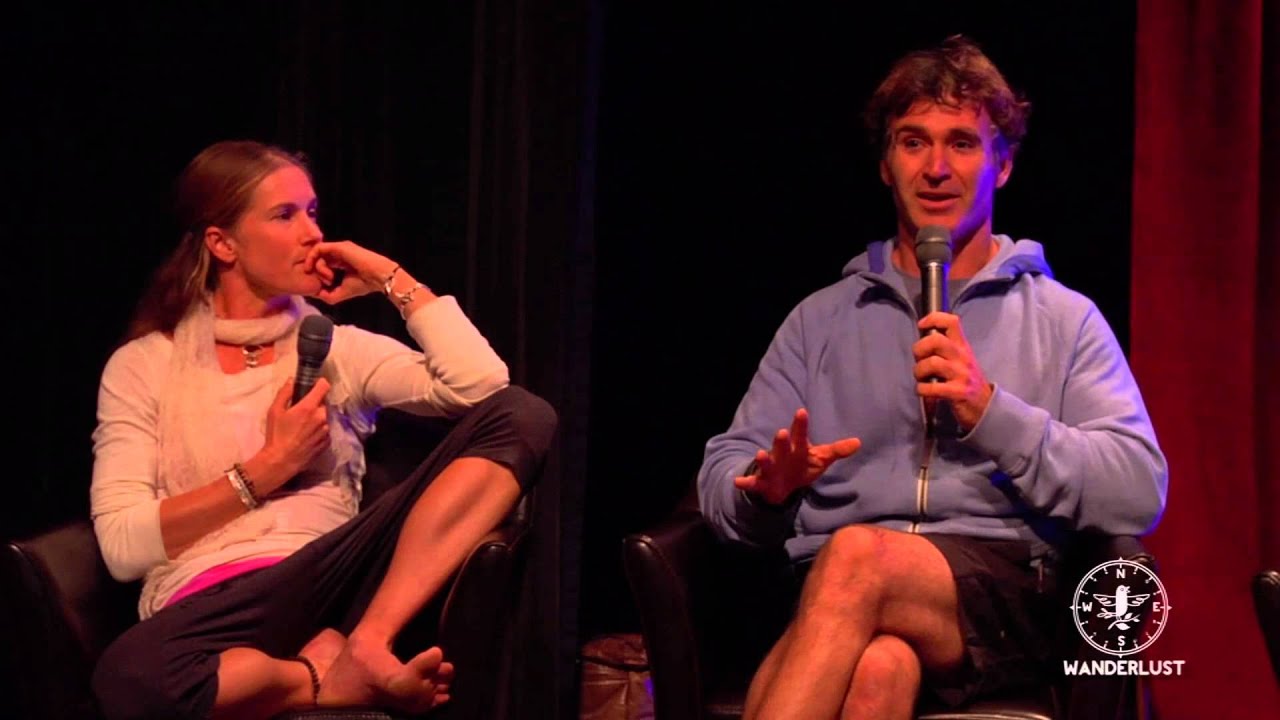
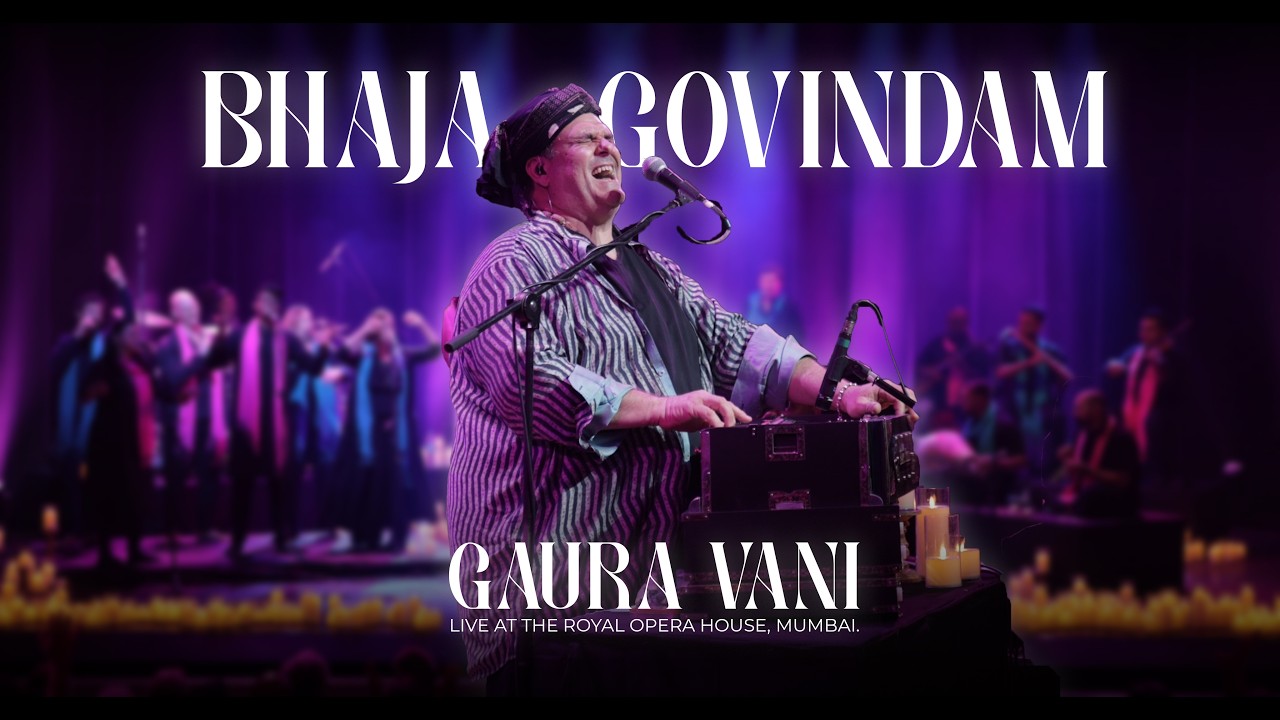
Sianna Sherman's Rasa Yoga 300-hour teacher training synthesizes classical yoga lineage with contemporary teaching methods, integrating asana, mantra, mudra, pranayama, meditation, chanting, tantra, shadow work, and ritual. The program is designed to awaken authentic teacher creativity while honoring traditional roots, with a faculty composition that is 60% BIPOC (Black, Indigenous, and People of Color), addressing equity in yoga education and leadership.
What Is Rasa Yoga and How Does It Differ From Conventional Teacher Training?
Rasa Yoga represents a distinctive approach to yoga education that goes beyond standard asana-focused training. Rather than treating yoga as a sequence of physical poses with breathing techniques attached, Rasa Yoga weaves together multiple dimensions of the tradition: asana (physical postures), mantra (sacred sound), mudra (symbolic hand gestures), pranayama (breath regulation), meditation, and chanting. This multisensory, devotional foundation distinguishes it from mainstream yoga programs that often emphasize alignment cues and anatomical precision above all else.
The distinguishing element of Rasa Yoga is its deliberate integration of tantric philosophy, shadow work, and ritual practice alongside the classical eight-limbed path of yoga. Tantra, often misunderstood in Western contexts, here serves as a framework for working with energy, desire, and the full spectrum of human experience rather than transcending it. Shadow work—the psychological practice of acknowledging and integrating disowned aspects of self—becomes a legitimate part of teacher development. This combination creates a training model designed not just to produce certified yoga instructors, but to cultivate teachers who can work with the whole human being: body, emotion, psyche, and spirit.
Why Does Rasa Yoga Emphasize Story, Transmission, and Devotional Practice?
Sianna Sherman, the founder and visionary of Rasa Yoga, is known as an "evocative storyteller" whose teachings operate through multiple channels at once. Rather than delivering information through explanation alone, Rasa Yoga recognizes that humans learn and transform through narrative, through the lived example of a teacher, and through the resonance created in shared devotional space. This reflects an older yoga pedagogical model—the guru-disciple relationship in which learning happens through presence, story, and embodied transmission rather than through worksheets and anatomical diagrams alone.
The emphasis on storytelling serves several functions in Rasa Yoga training. First, it anchors abstract yogic concepts in narrative, making them memorable and emotionally connective. Second, it models for future teachers how to lead with the heart rather than only the intellect. Third, it acknowledges that modern yoga students, like humans across cultures, respond powerfully to myth, metaphor, and symbolic language. A teacher trained in the Rasa tradition learns not just to cue an Urdhva Mukha Svanasana, but to understand the mythological meaning embedded in a pose, to sense the emotional tone appropriate to a moment in class, and to trust their own intuitive knowing alongside technical knowledge.
What Role Does Tantra and Shadow Work Play in Contemporary Teacher Training?
The inclusion of tantra and shadow work in the 300-hour program signals a departure from the often-sanitized, spiritually bypassing approach that can dominate Western yoga spaces. Tantra, as taught in Rasa Yoga, is not a practice of sexual yoga but a philosophical framework that honors the body, desire, emotion, and the material world as sacred. For a yoga teacher, this means working with students' real lives—their pain, their sexuality, their anger, their ambition—rather than suggesting these dimensions should be "transcended" or left outside the yoga room.
Shadow work, drawn from Jungian psychology and contemplative traditions, teaches teachers to recognize their own unconscious patterns, biases, and emotional wounds before attempting to guide others. A teacher who has not examined her own fear of failure, her internalized oppression, or her tendency to spiritual bypassing cannot effectively hold space for students navigating these territories. By building shadow work into the curriculum, Rasa Yoga trains teachers to work from greater self-awareness and integrity. This is particularly important in yoga teaching, where the power differential between teacher and student is significant and the opportunity for spiritual harm (through spiritual authority being used to manipulate or groom) is real.
How Does Honoring Lineage Shape the Training While Allowing Modern Expression?
A central tension in contemporary yoga teaching is the question: How do we honor the ancient roots of yoga while meeting the needs and languages of modern practitioners? Rasa Yoga's approach is to explicitly do both. The training respects lineage—the transmission of knowledge from teacher to student across generations, rooted in Sanskrit terminology, philosophy, and proven practices. At the same time, it recognizes that a yoga teacher in 2021 (or beyond) cannot simply transplant teachings from classical texts into a contemporary Western classroom without translation.
This balance means that teachers trained in Rasa Yoga understand the "why" behind each practice, not just the "how." They learn the philosophical roots of pranayama so they can explain it meaningfully to a student, but they also develop the authority to adapt—to find contemporary metaphors, to work with the nervous systems of people shaped by modern trauma and technology, to honor the lived experience of students whose bodies, genders, and racial identities may position them differently in relation to yoga tradition than its ancient practitioners. The training cultivates what Sianna Sherman calls "authentic creativity"—creativity rooted in understanding, not rebellion; rooted in the tradition, not opposed to it.
Why Is a 60% BIPOC Faculty Composition Significant in Yoga Teacher Training?
The program's explicit commitment to a faculty that is 60% BIPOC is not incidental; it is a structural choice that fundamentally shapes what teachers learn and how they learn it. Yoga in the West has been predominantly taught by and marketed to white, affluent practitioners, which has created several problems: teachings have been whitewashed and stripped of their cultural and spiritual depth; communities of color are often excluded or tokenized in yoga spaces; and teachers of color have been systematically paid less and given less authority and platform than white teachers.
By centering BIPOC faculty leadership, Rasa Yoga's training creates a different learning environment. Students encounter diverse teaching styles, philosophies, and lived experiences. They see role models across racial and ethnic backgrounds in positions of authority and expertise. They are more likely to hear yoga teachings in their full cultural context rather than through a filtered, Westernized lens. For teachers of color in training, this creates representation and reduces the burden of being the only person of color in the room, a burden that has historically exhausted yoga teachers of color and contributed to burnout and departure from the field.
What Kind of Practices Are Integrated Into Rasa Yoga's Curriculum?
The Rasa Yoga approach is comprehensive, integrating eight primary elements: asana, mantra, mudra, pranayama, meditation, chanting, tantra, and shadow work, along with ritual and a deep reverence for nature. Each element serves a specific function and together they create what Sianna Sherman describes as a path that honors "science, mysticism, art, and yoga" simultaneously.
- Asana forms the physical foundation, but in Rasa Yoga is understood not as gymnastics but as a way of creating stability (sthira) and ease (sukha) that allows for deeper practice.
- Mantra and chanting engage the vibrational and sonic dimensions of practice, working with the power of sound to shift consciousness and invoke specific states of being.
- Mudra (hand gestures) and pranayama (breath work) refine the subtle energy body and create somatic anchors for intention and transformation.
- Meditation trains the mind and opens access to the witness consciousness that observes all experience without clinging.
- Tantra and ritual create sacred containers for practice and honor the sacred in the everyday and the sensory world.
- Shadow work and a reverence for nature ground the practice in psychological wholeness and ecological awareness.
This integration means that a teacher trained in Rasa Yoga is not a specialist in one modality but a generalist who can meet students where they are—through the body, through sound, through breath, through story, through emotional processing, through connection to the earth. This is closer to the classical yoga teacher model, where the guru was expected to have mastery across multiple domains.
Who Benefits Most From a Rasa Yoga Teacher Training?
While framed as a teacher training (300 hours is the common length for a yoga teacher training certificate), Rasa Yoga's approach may appeal to practitioners at different stages. For serious practitioners considering teaching, the program offers a path to certification grounded in substance and integrity. For teachers already working who feel their training was incomplete or overly focused on the physical body, it offers deepening and recalibration. For therapists, counselors, or other healing practitioners, some elements may offer supplementary training in working with energy and embodied practice.
The structure of a 300-hour training (many schools offer 200-hour foundations followed by advanced intensives) suggests this is intermediate-to-advanced material rather than an entry point. Students are likely expected to already have some yoga practice and familiarity with basic concepts. The emphasis on shadow work and tantra suggests it is designed for practitioners with some psychological awareness and willingness to do inner work.
Where to Go From Here
If you resonate with the Rasa Yoga approach—one that refuses to separate the body from the spirit, the tradition from modern creativity, or the personal from the political—several paths are available. For practitioners interested in the training itself, registration is available through the Rasa Yoga website. For those not yet ready to commit to a 300-hour program but curious about the teachings, Sianna Sherman offers workshops, virtual gatherings, and retreats where you can experience the Rasa Yoga approach directly. You might explore how her approach to teaching through story, myth, and devotion could reshape your own practice or inform how you work in any helping profession. The integration of shadow work and tantra also offers a useful framework for anyone interested in psychology, embodiment, and spiritual practice that honors the whole human being rather than aiming for transcendence at the expense of aliveness.