LE KARMAPA stands as one of the recognized guardians of authentic rumba—a genre born in Cuban urban contexts that has shaped global popular music for over a century. Rumba itself carries layers of cultural significance: it emerged from African diaspora communities, blended Spanish guitar traditions, and created a sound that became synonymous with both social dancing and street-level cultural expression. Artists who position themselves as keepers of "authentic" rumba do so with the understanding that the genre can be diluted, commercialized, or separated from its roots.
The release of "Caligula" in December 2017 signals LE KARMAPA's intent to center authenticity while refusing to treat rumba as a museum piece. The dual-volume album structure—released as two CDs—suggests an ambitious creative scope, allowing the artist to explore multiple facets of the tradition within a single project.
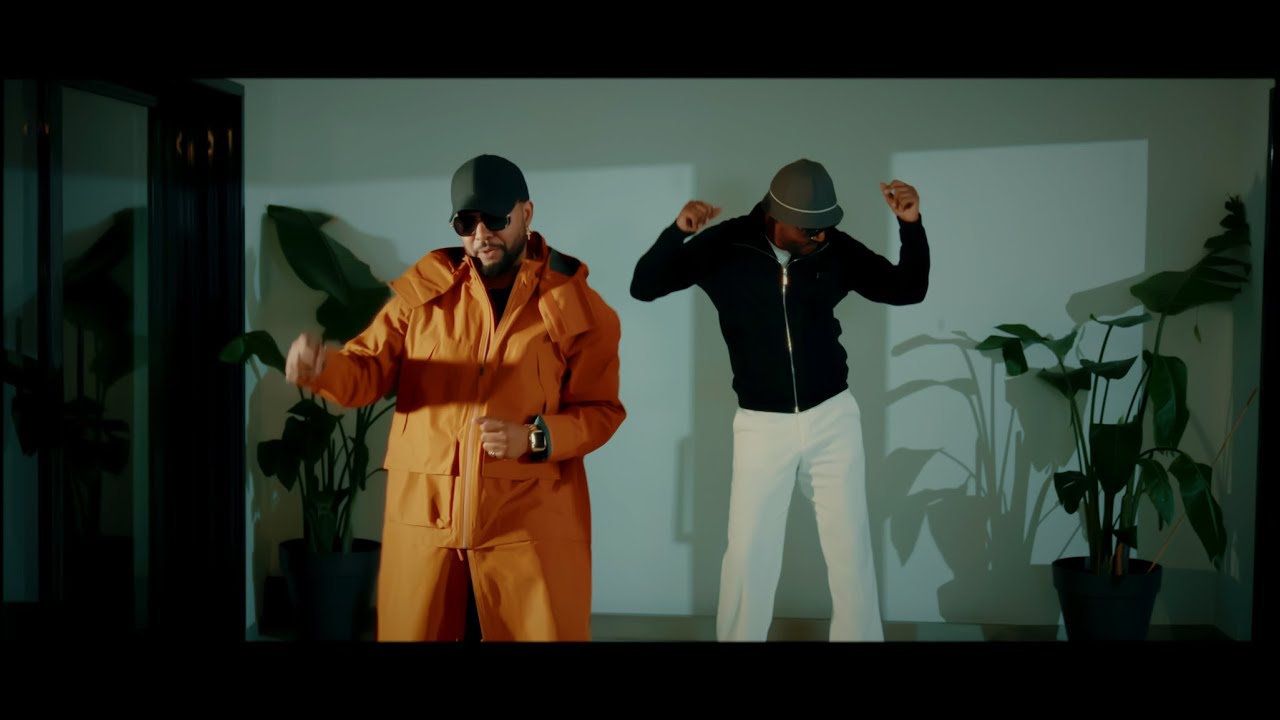
The official music video for "Caligula" serves as both a visual statement and a marketing anchor for the album rollout. In the context of rumba—a genre historically tied to bodily expression, social gathering, and participatory music-making—the video's role extends beyond simply accompanying the audio. It becomes a document of the artist's interpretation: how he stages the music, who he places in frame, what visual language he deploys, and which cultural markers he emphasizes.
Without relying on generic production clichés, the video establishes LE KARMAPA's artistic identity within the contemporary music landscape. It demonstrates that authentic rumba is not nostalgic or backward-looking, but capable of engaging current production standards and visual sophistication. This tension—between tradition and modernity—is central to how guardians of genre like LE KARMAPA navigate their role.
The decision to structure "Caligula" as two separate volumes reflects a deliberate creative choice. Rather than compress his vision into a single release, LE KARMAPA chose expansion. This approach offers several practical and artistic advantages:
- Thematic or tonal variation: The two volumes may explore different facets of rumba or different emotional territories within the artist's creative vision.
- Marketing flexibility: A two-volume release extends the promotional window and allows for staggered listener engagement across platforms.
- Historical precedent: Double albums have long allowed artists to explore ambitious concepts without compromising individual track quality.
- Genre authenticity: Rumba traditions often involve extended forms and cyclical structures; two volumes honor that expansiveness.
The song title itself—"Caligula," evoking the infamous Roman emperor—adds layers of intrigue. In the context of rumba, which historically served as a space for social commentary and coded resistance, the choice of such a loaded historical reference suggests thematic depth. Whether the song engages historical narrative, uses the name as metaphorical shorthand, or simply employs it as a provocative hook, it signals that LE KARMAPA is not approaching rumba as mere dance music or entertainment backdrop.
Rumba has always been a vehicle for artists to address power, desire, resistance, and community. By naming his flagship single after a figure associated with decadence and tyranny, LE KARMAPA positions his work within that tradition of meaningful cultural commentary through musical form.
For listeners interested in authentic rumba, LE KARMAPA's "Caligula" album (available on Spotify, Apple Music, Google Play, and other digital platforms) offers a contemporary entry point into the genre without sacrificing historical grounding. The double-album structure rewards deep listening, allowing the artist to develop ideas across two collections rather than consolidating into radio-friendly brevity.
Engaging with LE KARMAPA's work also means recognizing that genre preservation is not passive. It requires artists to continuously reinterpret, reimagine, and reshape the traditions they steward. The "Caligula" video and album represent that active process: rumba alive, evolving, and relevant to contemporary audiences.
]]>