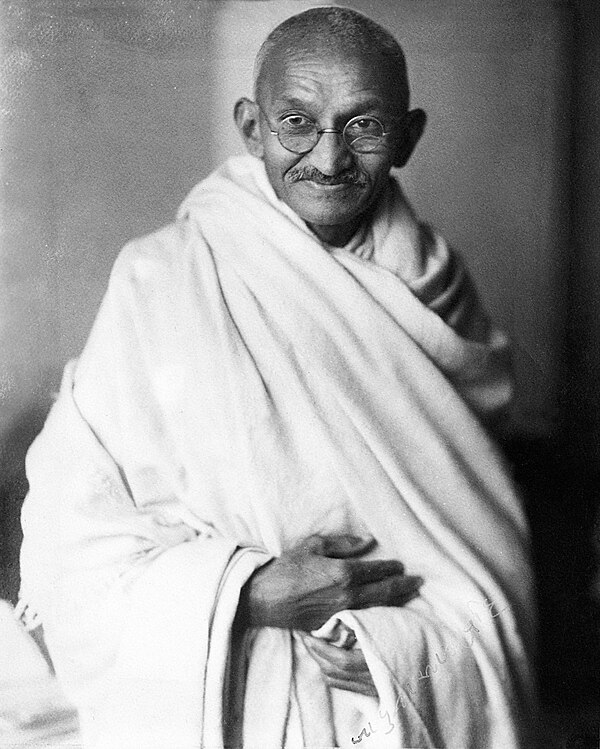
Mahatma Gandhi once stated, "The good man is the friend of all living things." This profound assertion invites us to consider the interconnectedness of life and the ethical responsibility that arises from it. In a world often marked by division and conflict, Gandhi's words serve as a reminder of the compassion and kinship that should guide our interactions with all forms of life. The stakes are high; embracing this perspective can lead to a more harmonious existence, not only for ourselves but for the entire ecosystem we inhabit.
At its core, Gandhi's quote challenges us to expand our understanding of friendship beyond human relationships. It calls for a radical empathy that encompasses every living being, urging us to recognize the intrinsic value of all life. This perspective is not merely an idealistic notion but a practical framework for living that fosters peace, understanding, and a deep sense of responsibility toward the world around us. By embodying this principle, we can cultivate a more compassionate society that honors the dignity of every creature.
The image / the metaphor
The imagery in Gandhi's quote evokes a sense of unity and interconnectedness among all living beings. The term "good man" suggests a moral compass that guides one's actions, while "friend" implies a relationship built on trust, respect, and mutual care. The phrase "all living things" encompasses not only humans but also animals, plants, and the environment, inviting us to consider the broader implications of our actions. This language creates a felt sense of responsibility, urging us to act with kindness and compassion toward every form of life.
Diving deeper into the metaphor, we can see that friendship, in this context, transcends mere social interaction. It embodies a commitment to the well-being of others, a willingness to advocate for those who cannot speak for themselves. This notion of friendship extends to the natural world, suggesting that our ethical obligations include stewardship of the earth and its inhabitants. In this way, Gandhi's words challenge us to redefine our relationships, moving from a self-centered existence to one that embraces a holistic view of life.
In the speaker's tradition
Moreover, Gandhi's emphasis on friendship with all living things echoes the teachings found in texts such as the Bhagavad Gita, where the interconnectedness of life is celebrated. In this sacred text, the notion of selfless action (karma yoga) encourages individuals to act for the benefit of others, fostering a sense of unity and shared purpose. Gandhi's perspective can also be likened to the Buddhist concept of sunyata, or emptiness, which teaches that all beings are interdependent and that our actions have far-reaching consequences. This interconnectedness calls us to cultivate compassion and understanding in our daily lives.
Living the teaching
In contemporary society, the application of Gandhi's teaching can be seen in various movements advocating for animal rights and environmental sustainability. For instance, consider the growing awareness around plant-based diets and ethical farming practices. Individuals who adopt these lifestyles often do so out of a desire to minimize harm to animals and the planet, embodying the spirit of Gandhi's quote. By recognizing the intrinsic value of all living beings, they forge a path toward a more compassionate and sustainable way of life, demonstrating that friendship with all living things is not just an ideal but a practical choice.
On a more personal level, this teaching can manifest in our relationships with those around us, particularly during challenging moments. Imagine a conflict with a friend or family member; applying Gandhi's wisdom might encourage us to approach the situation with empathy and understanding, recognizing the shared humanity in each other. This perspective can transform our interactions, fostering deeper connections and healing. Additionally, in our daily practices, we can cultivate mindfulness and gratitude for the natural world, taking time to appreciate the beauty of life in all its forms. Such practices reinforce our commitment to being a friend to all living things.
A reflection
As we contemplate Gandhi's profound assertion, we are invited to reflect on our own relationships with the world around us. How can we embody the spirit of friendship with all living beings in our daily lives? This question challenges us to examine our actions, choices, and attitudes toward others, prompting us to consider how we can contribute to a more compassionate and interconnected existence. In this reflection lies the potential for transformation, both within ourselves and in the world we inhabit.


