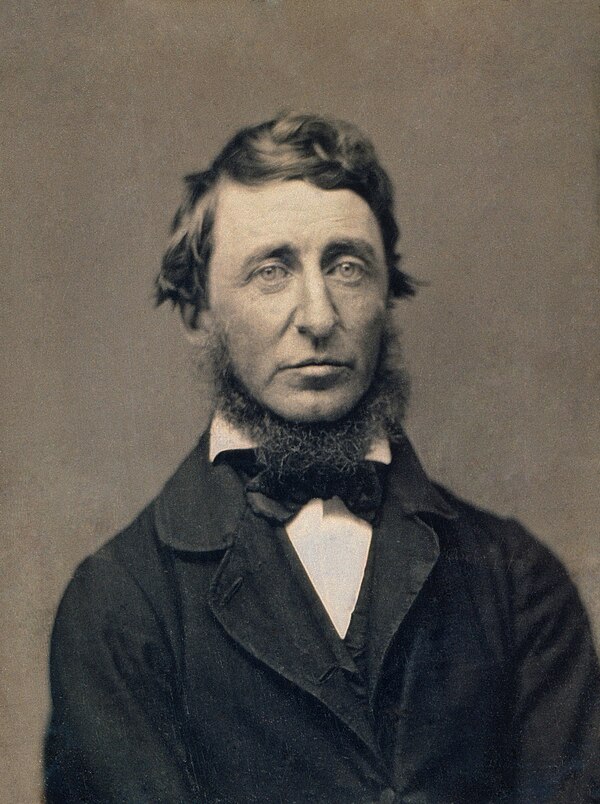
Henry David Thoreau's poignant assertion, "There is more day to dawn. The sun is but a morning star," invites us to reflect on the promise of renewal and the potential that lies ahead. In a world often shrouded in darkness and uncertainty, this quote serves as a beacon of hope, reminding us that every ending is merely a precursor to a new beginning. The metaphor of dawn suggests that even in our most challenging moments, the light of possibility is always on the horizon, waiting to illuminate our path.
Thoreau's words resonate deeply within the human experience, urging us to cultivate an awareness of the cyclical nature of life. Just as the sun rises each day, bringing warmth and clarity, so too can we awaken to new opportunities and insights. This perspective is not merely optimistic; it is a call to embrace the transformative power of hope, encouraging us to look beyond our current struggles and recognize the beauty that awaits us in the unfolding of time.
The image / the metaphor
At its core, Thoreau's quote employs vivid imagery that evokes the transition from night to day. The phrase "more day to dawn" conjures a sense of anticipation, as if we are standing on the precipice of a new beginning. The "morning star," often associated with Venus, symbolizes not only the promise of light but also the idea that the sun, though not yet fully visible, is already present in the sky. This interplay of light and darkness captures the essence of hope, suggesting that even in our darkest hours, the potential for illumination is ever-present.
Diving deeper into the metaphor, we can see that the morning star represents the initial glimmers of understanding and awareness that precede a more profound enlightenment. It reminds us that the journey toward self-discovery and growth often begins with small, seemingly insignificant moments of clarity. Just as the dawn gradually unfolds, revealing the world in its full glory, so too can our own insights and realizations emerge, guiding us toward a more enlightened existence.
In the speaker's tradition
Thoreau's philosophy is deeply rooted in the transcendentalist tradition, which emphasizes the inherent goodness of people and nature, as well as the importance of individual intuition and spiritual experience. This perspective aligns with concepts such as dharma, which refers to the path of righteousness and living in harmony with the universe. In this context, Thoreau's assertion about the dawn serves as a reminder that our personal journeys are intertwined with a greater cosmic order, inviting us to trust in the unfolding of our lives.
Moreover, Thoreau's reflections in "Walden" echo the teachings found in various spiritual texts that emphasize the importance of awakening to one's true nature. For instance, the Buddhist concept of sunyata, or emptiness, encourages individuals to let go of attachments and embrace the impermanence of life. Similarly, Thoreau's call to recognize the dawn of new possibilities aligns with the idea of prajna, or wisdom, which arises when we cultivate awareness and openness to the present moment.
Living the teaching
Consider a modern scenario where this teaching resonates: a person facing a career setback may feel engulfed by despair and uncertainty. However, by embracing Thoreau's perspective, they can recognize that this moment is not an endpoint but rather a transition—a morning star signaling the dawn of new opportunities. This shift in mindset allows them to explore alternative paths, seek new skills, or even pursue passions that had previously been sidelined, ultimately leading to personal and professional growth.
A reflection
As we contemplate Thoreau's profound insight, we are invited to consider the ways in which we can cultivate hope in our own lives. What areas are currently shrouded in darkness, and how might we begin to recognize the morning stars that signal the dawn of new possibilities? In embracing this contemplative question, we open ourselves to the transformative power of awareness, allowing the light of hope to guide us through the complexities of our existence.


