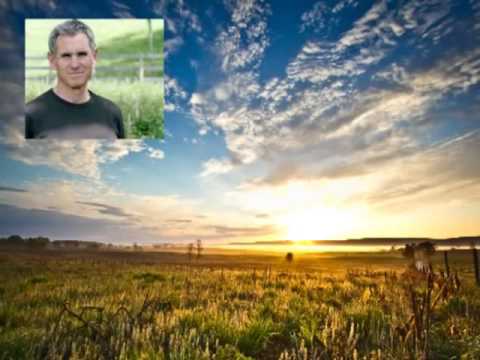
Jon Kabat-Zinn's assertion that "As long as you are breathing, there is more right with you than wrong with you" invites us to reconsider our self-perception and the narratives we construct about ourselves. In a world often dominated by criticism and self-doubt, this perspective serves as a gentle reminder of our inherent worth and the fundamental goodness that resides within us. The act of breathing becomes a powerful symbol of life itself, suggesting that as long as we are alive, we possess an intrinsic value that transcends our flaws and struggles.
This quote resonates deeply in the context of mindfulness, where the focus is on being present and accepting oneself as one is. It challenges the pervasive tendency to fixate on what is lacking or wrong, urging us instead to cultivate an awareness of the positive aspects of our existence. By embracing this perspective, we can shift our attention from a deficit-oriented mindset to one that recognizes the abundance of rightness that accompanies our very breath, fostering a sense of gratitude and acceptance.
The image / the metaphor
The imagery in Kabat-Zinn's quote is strikingly simple yet profoundly impactful. Breathing, a natural and involuntary act, symbolizes life and vitality. The choice of the word "breathing" evokes a sense of immediacy and presence, grounding us in the here and now. It suggests that our existence is not merely a series of accomplishments or failures but rather a continuous unfolding of potential and possibility. The juxtaposition of "more right" with "wrong" invites us to explore the duality of our experiences, emphasizing that our worth is not diminished by our imperfections.
In the speaker's tradition
Jon Kabat-Zinn's work is deeply rooted in the tradition of mindfulness, which draws from various contemplative practices, including Buddhism. Central to this tradition is the concept of "sunyata," or emptiness, which invites us to recognize the transient nature of our thoughts and emotions. By acknowledging that our perceived shortcomings are not fixed but rather fluid, we can cultivate a sense of compassion towards ourselves. This aligns with the practice of "kenosis," or self-emptying, which encourages us to let go of rigid self-identities and embrace the wholeness that exists within us.
In his seminal work, "Coming to Our Senses," Kabat-Zinn emphasizes the importance of being present and fully experiencing our lives. This echoes the teachings found in the "Dhammapada," where the Buddha speaks of the mind as the forerunner of all things. By recognizing that our thoughts shape our reality, we can begin to see how the act of breathing can anchor us in a more positive and affirming perspective. The invitation to breathe deeply and fully becomes a practice of awakening to the richness of our existence.
Living the teaching
Consider a modern scenario where this teaching can be applied: a busy professional facing the pressures of deadlines and expectations. In the midst of chaos, it is easy to become overwhelmed by feelings of inadequacy or failure. However, by taking a moment to pause and breathe, the individual can reconnect with the understanding that their worth is not contingent upon their productivity. This simple act of breathing can serve as a reminder that there is more right with them than wrong, allowing them to approach their work with renewed clarity and purpose.
In the realm of relationships, this teaching can also manifest powerfully. Imagine a moment of conflict between partners, where misunderstandings and hurt feelings cloud the connection. By practicing mindful breathing, each person can cultivate a sense of presence and compassion, recognizing that their love for one another is greater than the temporary discord. This perspective fosters healing and understanding, allowing the relationship to flourish despite its challenges. In both scenarios, the act of breathing becomes a transformative practice, grounding individuals in their inherent worth and the goodness that exists within them.
A reflection
As we contemplate Kabat-Zinn's words, we are invited to reflect on our own lives: What narratives do we hold about ourselves that overshadow our inherent worth? In moments of self-doubt or criticism, how can we return to the breath as a source of affirmation and grounding? This contemplation encourages us to explore the balance between acknowledging our imperfections and celebrating our wholeness, inviting a deeper understanding of what it means to be truly alive.