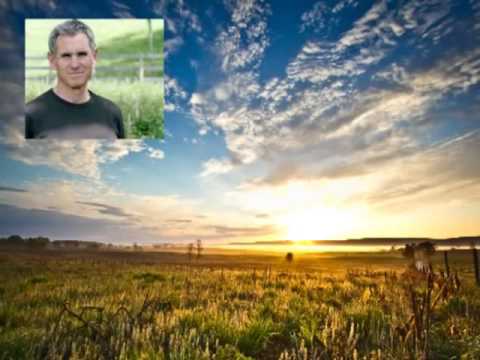
Jon Kabat-Zinn's assertion that "the doorway to mindfulness is always open. You only have to walk through" invites us to consider the accessibility of mindfulness in our daily lives. This statement emphasizes that the path to a more aware and present existence is not obstructed; rather, it is a matter of our willingness to engage with it. In a world often characterized by distraction and busyness, recognizing this open doorway can be a transformative realization, urging us to step into a space of clarity and presence.
Furthermore, this quote serves as a gentle reminder that mindfulness is not a distant goal to be achieved but an immediate experience available to us at any moment. The act of walking through this doorway symbolizes our choice to embrace awareness, to cultivate a deeper connection with ourselves and our surroundings. It beckons us to acknowledge that the practice of mindfulness is not reserved for specific times or places; it is an ever-present opportunity, waiting for us to take that first step.
The image / the metaphor
The imagery of a doorway evokes a sense of threshold—a boundary between two states of being. The act of walking through suggests movement and intention, implying that mindfulness requires an active choice on our part. The doorway itself symbolizes the potential for transformation, inviting us to leave behind the clutter of our minds and step into a realm of clarity and presence. It is a powerful metaphor for the transition from a state of distraction to one of awareness, where the richness of life can be fully experienced.
Diving deeper into this metaphor, we can see that the doorway represents not just an entrance but also a passageway to a new way of perceiving reality. It is an invitation to let go of preconceived notions and judgments, allowing us to enter a space where we can encounter our thoughts and feelings without attachment. This act of crossing the threshold is akin to a spiritual awakening, where we become aware of the present moment and the beauty that resides within it, free from the burdens of the past or anxieties about the future.
In the speaker's tradition
Jon Kabat-Zinn, a pioneer in the field of mindfulness, draws from a rich tapestry of Buddhist teachings, particularly the concepts of dharma and awareness. In Buddhism, dharma refers to the teachings of the Buddha, which guide individuals toward enlightenment and understanding. Mindfulness, as articulated by Kabat-Zinn, is a practice rooted in these teachings, emphasizing the importance of being present and fully engaged with our experiences. The notion of an open doorway aligns with the Buddhist principle of sunyata, or emptiness, suggesting that the barriers we perceive are often self-imposed and can be transcended through mindful awareness.
Moreover, Kabat-Zinn's work resonates with the teachings found in texts such as the Satipatthana Sutta, which outlines the foundations of mindfulness practice. This ancient scripture emphasizes the cultivation of awareness in various aspects of life, encouraging practitioners to observe their thoughts, feelings, and sensations without judgment. The open doorway metaphor encapsulates this essence, reminding us that the path to mindfulness is always accessible, inviting us to engage with our experiences in a profound and transformative way.
Living the teaching
Consider a modern scenario where the teaching of this quote can be applied: imagine a busy professional overwhelmed by deadlines and constant notifications. In such a moment, the doorway to mindfulness may seem obscured by stress and urgency. However, by consciously choosing to step through that doorway—perhaps by taking a few deep breaths or pausing to observe the sensations in the body—this individual can reconnect with the present moment. This simple act of awareness can transform a chaotic day into one filled with clarity and purpose, illustrating how the doorway to mindfulness is always open, waiting for us to walk through.
Another application of this teaching can be found in relationships, particularly during moments of conflict. When tensions rise, it is easy to become reactive, allowing emotions to dictate our responses. However, by recognizing the open doorway of mindfulness, we can choose to pause, breathe, and approach the situation with awareness. This shift allows for a more compassionate and thoughtful engagement, fostering deeper understanding and connection. In this way, the practice of mindfulness becomes a tool for navigating the complexities of human interaction, reminding us that we always have the choice to step into a space of presence and clarity.
A reflection
As we contemplate Kabat-Zinn's words, we are invited to reflect on our own relationship with mindfulness. What does it mean for you to walk through the open doorway of mindfulness in your daily life? Consider the moments when you feel most distracted or overwhelmed—how might you choose to engage with those experiences differently? This contemplation can serve as a powerful reminder that the doorway to mindfulness is not just a metaphor but a lived reality, waiting for us to embrace it with open hearts and minds.