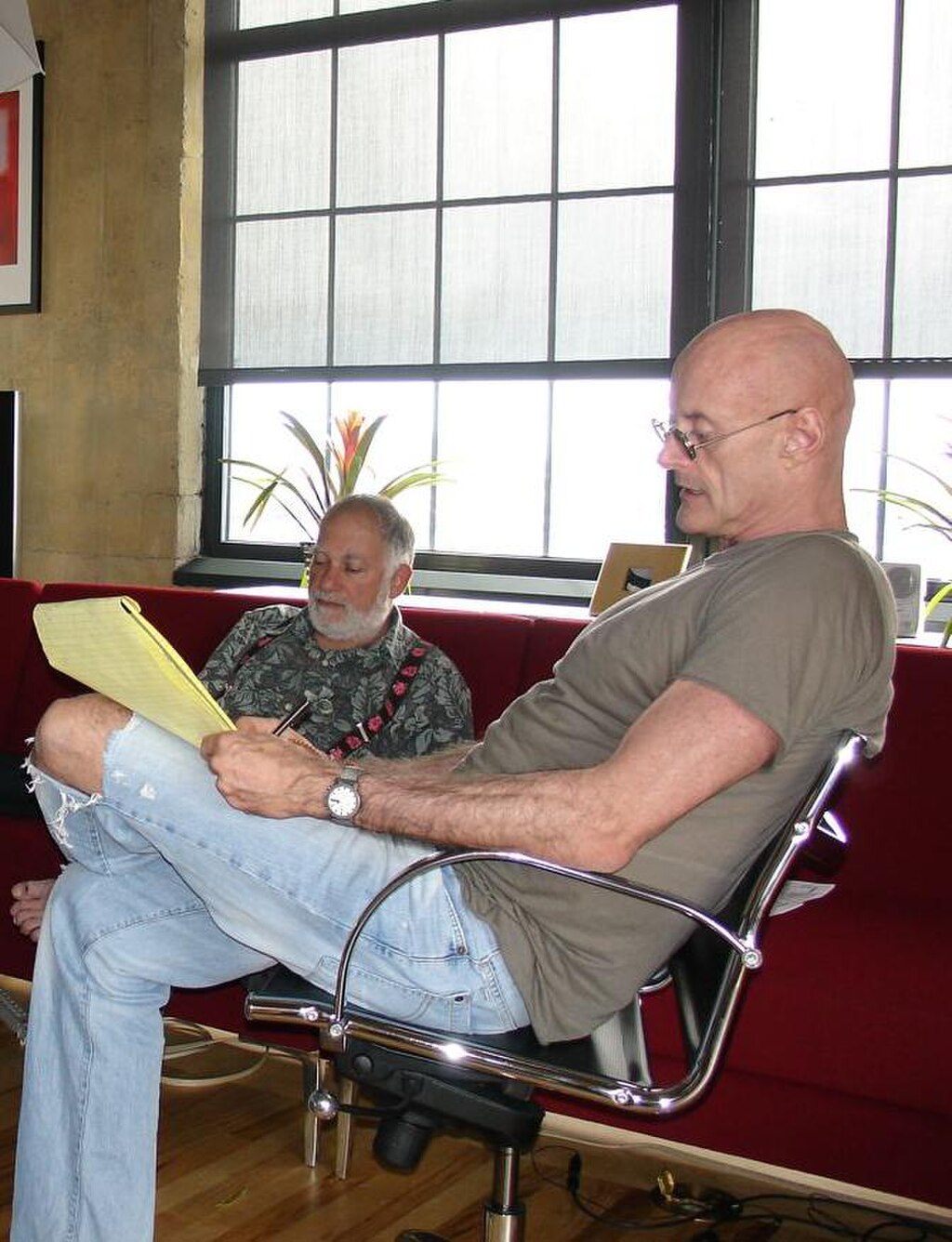
Ken Wilber's quote, "Don't hold tight to any model. Hold them lightly, use them well," invites us to engage with spiritual frameworks not as rigid structures but as fluid tools for understanding our experiences. This perspective is crucial in a world where dogma often stifles growth and exploration. By encouraging a light grip on our models, Wilber emphasizes the importance of adaptability and openness in our spiritual journeys, suggesting that the essence of wisdom lies not in clinging but in discerning how to apply these models effectively.
In a time when many seek definitive answers and clear paths, Wilber's words resonate deeply. They remind us that spiritual models, while valuable, are ultimately provisional and should serve as guides rather than absolutes. This approach fosters a dynamic relationship with our beliefs and practices, allowing for personal evolution and deeper understanding. Embracing this fluidity can lead to a richer, more nuanced experience of spirituality, where we are free to explore and integrate diverse perspectives without the fear of being confined to a singular narrative.
The image / the metaphor
Wilber's use of the verbs "hold" and "use" evokes a sense of gentle engagement with spiritual models. To "hold lightly" suggests a delicate balance, where one is aware of the model's presence without allowing it to dominate one's perception. This imagery conveys a sense of freedom, as if we are invited to dance with our beliefs rather than be shackled by them. The act of using models "well" implies a conscious application, where we draw upon their insights while remaining open to new understandings and experiences.
Diving deeper into this metaphor, we can envision spiritual models as tools in a craftsman's workshop. Each tool has its purpose and can be employed skillfully to create something beautiful, yet none should be seen as the sole means of creation. Just as a craftsman adapts their approach based on the material at hand, so too must we adjust our spiritual practices and beliefs according to our evolving understanding of ourselves and the world. This fluidity allows for a more authentic expression of our spirituality, one that is responsive to the complexities of life.
In the speaker's tradition
Ken Wilber's integral philosophy emphasizes the interconnectedness of various dimensions of human experience, advocating for a holistic approach to spirituality. Central to this tradition is the concept of "integral" itself, which seeks to synthesize diverse perspectives and methodologies. This aligns with the idea of "kenosis," or self-emptying, found in various spiritual traditions, where one relinquishes rigid attachments to beliefs in favor of a more expansive understanding of existence. By holding models lightly, we practice a form of kenosis, allowing space for new insights and experiences to emerge.
Wilber's integral framework also resonates with the Buddhist notion of "sunyata," or emptiness, which teaches that all phenomena are interdependent and devoid of inherent existence. This perspective encourages us to recognize that our models are not fixed truths but rather provisional guides that can illuminate our path. In his work "Integral Spirituality," Wilber articulates the necessity of transcending and including various models, urging us to embrace a fluid approach that honors the richness of our spiritual landscape while remaining open to transformation.
Living the teaching
Consider a modern scenario where this teaching manifests: a person grappling with the complexities of their spiritual beliefs in a rapidly changing world. They may find themselves drawn to various traditions—Buddhism, Christianity, or New Age philosophies—each offering unique insights. By holding these models lightly, they can extract wisdom from each without feeling the need to commit wholly to one, allowing for a more personalized and adaptable spiritual practice that evolves with their life experiences.
In relationships, this teaching can be particularly transformative. Imagine a couple facing challenges in their communication styles, each holding tightly to their own models of how love and support should be expressed. By adopting Wilber's approach, they can engage with their differing perspectives lightly, using them as tools to foster understanding rather than as rigid frameworks that dictate their interactions. This fluidity can lead to deeper empathy and connection, as both partners learn to appreciate the richness of their diverse experiences without being confined by them.
A reflection
As we contemplate Wilber's invitation to hold our models lightly, we might ask ourselves: What beliefs or frameworks am I currently clinging to that may be limiting my growth? This question encourages a reflective examination of our spiritual lives, prompting us to consider how we can engage with our beliefs in a way that fosters openness and adaptability. By embracing this inquiry, we can cultivate a more fluid and expansive understanding of our spiritual journeys, allowing for continual evolution and deeper connection with ourselves and others.


