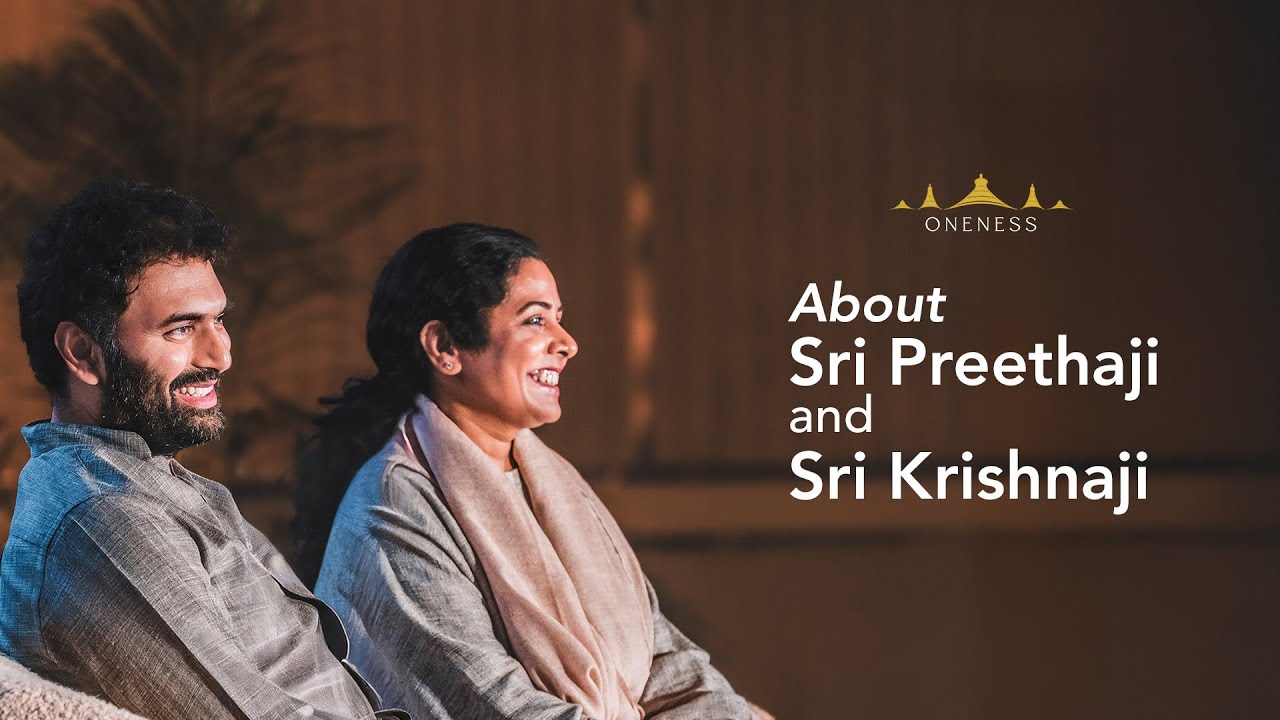
The Trust of Presence: A Journey Within
In the words of Krishnaji, "And you can trust your own state because you have the practice of presence." This profound statement invites us to explore the relationship between our inner state and the practice of being fully present. In a world often characterized by distraction and disconnection, the ability to trust oneself becomes a vital skill, one that is cultivated through the conscious act of presence. Understanding this connection can lead to a deeper sense of self-awareness and authenticity, ultimately guiding us toward a more harmonious existence.
To delve deeper into this quote, we must consider what it means to have a "practice of presence." This phrase suggests an active engagement with the present moment, a commitment to experiencing life as it unfolds rather than being lost in thoughts of the past or future. The trust that Krishnaji speaks of is not a blind faith but rather a grounded assurance that arises from a disciplined practice. This trust allows us to navigate our emotional landscapes with clarity and confidence, fostering a sense of peace amidst the chaos of life.
The image / the metaphor
At its core, the quote evokes a vivid image of a person standing firmly in their own experience, anchored by the practice of presence. The verbs "trust" and "practice" suggest an active engagement, a dynamic relationship between the self and the moment. This imagery speaks to the felt sense of stability that arises when one is fully present, as if the act of being here now creates a solid foundation from which to explore one's inner world. The metaphor of presence as a practice implies that it is not a passive state but rather an ongoing commitment to awareness and mindfulness.
Diving deeper into this metaphor, we can see that the practice of presence is akin to cultivating a garden. Just as a gardener tends to the soil, plants, and weeds, we must nurture our awareness, allowing it to flourish while also recognizing and addressing distractions that may arise. This cultivation requires patience and dedication, but the rewards are profound. When we trust our state through this practice, we become more attuned to our emotions, thoughts, and sensations, allowing us to respond to life with greater authenticity and grace.
In the speaker's tradition
Krishnaji's teachings are deeply rooted in the oneness movement, which emphasizes the interconnectedness of all beings and the importance of self-awareness. Concepts such as dharma, or one's rightful path, and prajna, or wisdom, resonate with the essence of trusting one's state through presence. In this tradition, the practice of presence is not merely a technique but a way of aligning oneself with the greater flow of existence, recognizing that our individual experiences are part of a larger tapestry of life.
To further illustrate this connection, we can reference the Buddhist concept of sunyata, or emptiness, which invites us to let go of attachments and preconceived notions. In embracing emptiness, we create space for presence, allowing us to experience life without the filters of judgment or expectation. This aligns beautifully with Krishnaji's assertion that trust in our state emerges from a consistent practice of being present, as it encourages us to engage with the world as it is, free from the burdens of our mental constructs.
Living the teaching
Consider a modern scenario where this teaching can be applied: imagine a busy professional navigating a hectic workday filled with meetings and deadlines. In such a context, the practice of presence can serve as a powerful tool for managing stress and enhancing productivity. By consciously taking moments to breathe and ground oneself in the present, the individual can cultivate a sense of clarity and focus, allowing them to trust their instincts and make decisions with confidence. This practice transforms the chaotic environment into an opportunity for mindful engagement, fostering a deeper connection to both oneself and the task at hand.
Another application of this teaching can be found in personal relationships, particularly during moments of conflict or misunderstanding. When faced with a challenging conversation, the practice of presence allows individuals to listen deeply and respond authentically, rather than reacting from a place of fear or defensiveness. By anchoring themselves in the present moment, they can trust their emotional state, leading to more compassionate and constructive interactions. This approach not only strengthens relationships but also cultivates a sense of trust in oneself and the unfolding of life.
A reflection
As we contemplate Krishnaji's words, we are invited to explore the nature of our own trust in our state. How often do we find ourselves caught in the web of distraction, doubting our feelings and instincts? In this moment of reflection, consider this question: What does it mean for you to cultivate a practice of presence, and how might this practice transform your relationship with yourself and the world around you? Allow this inquiry to guide you toward a deeper understanding of trust and presence in your life.