The Power of Choice: Crafting Our Inner Landscape
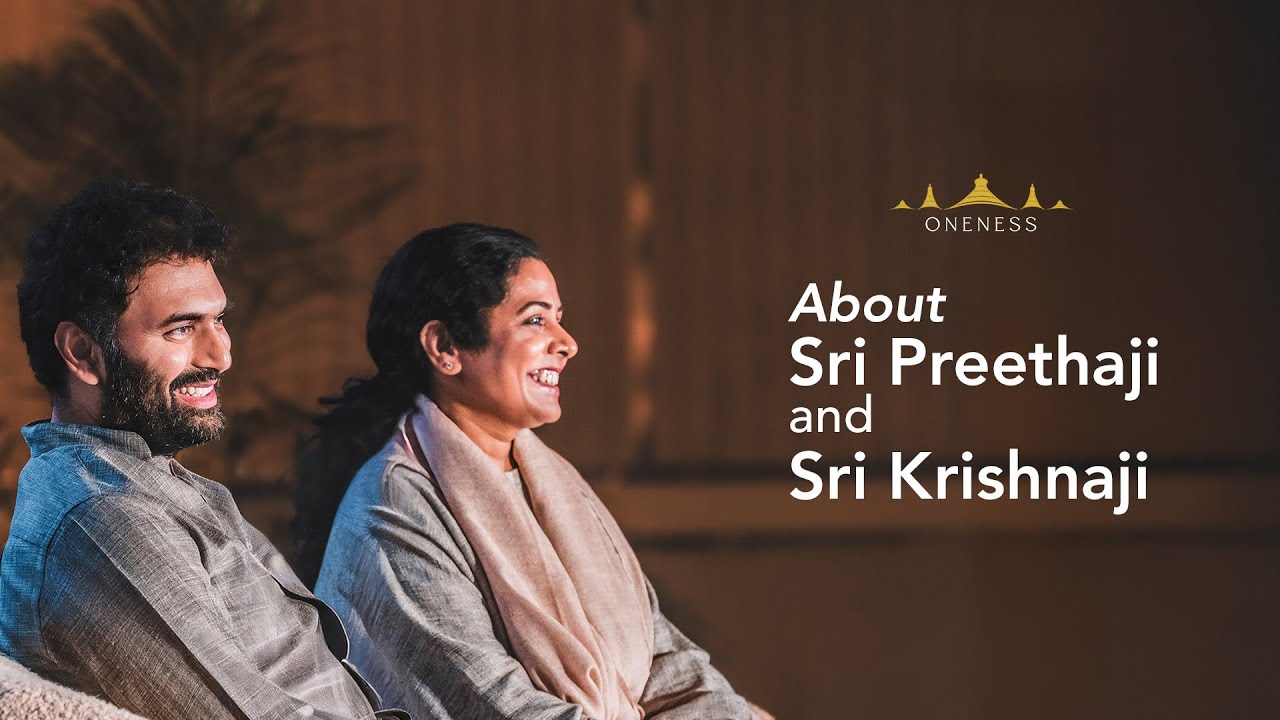
In the profound words of Krishnaji, "Choose your state, and you choose your life." This statement encapsulates the essence of personal agency and the transformative power of our inner emotional and mental landscapes. It invites us to recognize that our state of being—our thoughts, emotions, and attitudes—shapes not only our immediate experiences but also the broader narrative of our lives. Understanding this connection is crucial, as it empowers us to take responsibility for our choices and the quality of our existence.
Delving deeper, we find that this quote speaks to the fundamental relationship between our internal states and the external realities we encounter. It suggests that life is not merely a series of events happening to us; rather, it is a reflection of our inner world. By consciously choosing our state—whether it be one of joy, peace, or love—we can influence the trajectory of our lives. This understanding is not just philosophical; it is a practical guide for navigating the complexities of human experience.
The image / the metaphor
At its core, Krishnaji's quote employs the imagery of choice as a powerful tool for shaping one's life. The verb "choose" implies an active engagement with our inner state, suggesting that we are not passive recipients of our circumstances but rather active participants in the creation of our reality. The word "state" evokes a sense of fluidity and dynamism, indicating that our emotional and mental conditions are not fixed but can be altered through conscious intention.
Going deeper, the metaphor of choosing one's state can be likened to a painter selecting colors for a canvas. Just as a painter decides which hues to apply, we too have the ability to select the emotional tones that will dominate our life's narrative. This choice can lead to a vibrant, fulfilling existence or a muted, unremarkable one. The imagery invites us to consider the palette of our emotions and thoughts, encouraging us to cultivate those that enhance our experience of life.
In the speaker's tradition
Krishnaji's teachings are deeply rooted in the oneness movement, which emphasizes the interconnectedness of all beings and the importance of self-awareness. Concepts such as dharma, or one's rightful path, and prajna, or wisdom, resonate with the idea that our choices reflect our understanding of our place in the universe. By choosing our state, we align ourselves with our true nature and the greater flow of existence, fostering a sense of unity and purpose.
In this context, we can draw parallels to the Buddhist concept of sunyata, or emptiness, which teaches that our perceptions shape our reality. Just as sunyata invites us to recognize the transient nature of our experiences, Krishnaji's assertion encourages us to embrace the fluidity of our states. The teachings of bhakti, or devotion, further illuminate this path, suggesting that by cultivating love and compassion within ourselves, we can transform our lives and the lives of those around us.
Living the teaching
Consider a modern scenario where this teaching can be applied: a person facing a challenging work environment. The stress and negativity surrounding them can easily lead to feelings of frustration and helplessness. However, by consciously choosing a state of resilience and positivity, they can shift their perspective. This choice not only alters their experience of the workplace but also influences their interactions with colleagues, potentially creating a more harmonious atmosphere.
Another application of this teaching might arise in the context of personal relationships. Imagine a disagreement between partners that escalates into conflict. By choosing a state of empathy and understanding, one partner can diffuse the tension and foster a constructive dialogue. This choice transforms the potential for discord into an opportunity for deeper connection, illustrating how our internal states can profoundly impact our relationships and overall well-being.
A reflection
As we contemplate Krishnaji's words, we are invited to explore the nature of our own choices. What state are we currently inhabiting, and how does it shape our experience of life? In moments of difficulty or joy, how can we consciously choose a state that aligns with our highest aspirations? Reflecting on these questions can guide us toward a deeper understanding of ourselves and the transformative power of our choices.