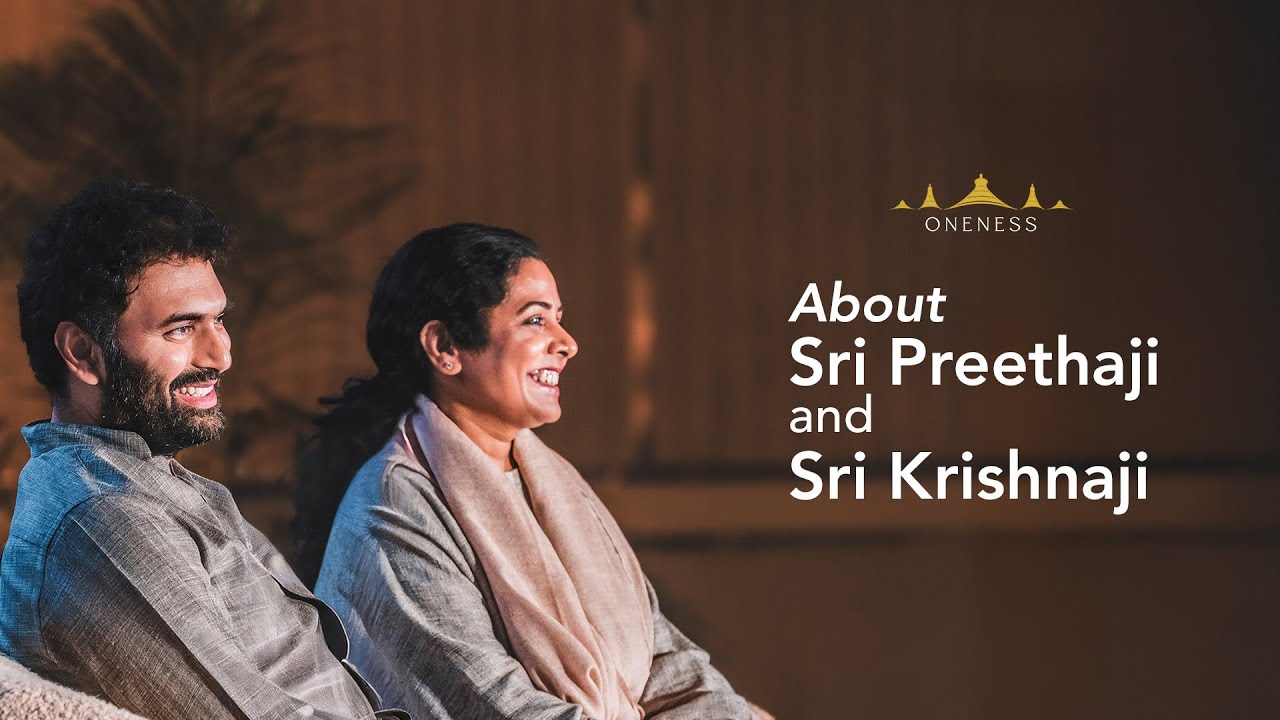
In the poignant words of Krishnaji, "They have not yet learned to live in suffering," we encounter a profound observation about the nature of innocence and the human experience. This statement invites us to reflect on the ways in which children, untouched by the complexities of adult life, navigate their existence with a certain purity. The stakes of this reflection are high; understanding how we relate to suffering can shape our spiritual journey and our capacity for compassion. In a world rife with pain, this quote challenges us to consider how we might learn from the unblemished perspective of youth.
Delving deeper, we recognize that Krishnaji's insight speaks not only to the innocence of children but also to the broader human condition. Suffering is an inevitable part of life, yet many of us are conditioned to avoid it, to shield ourselves from its harsh realities. Children, in their simplicity, have not yet developed the defenses that often accompany adulthood. This quote serves as a reminder that there is wisdom in embracing suffering, a wisdom that can lead to deeper understanding and connection with ourselves and others.
The image / the metaphor
The imagery in Krishnaji's quote evokes a sense of untouched purity, a state of being that is both fragile and profound. The phrase "have not yet learned" suggests a process of growth and development, implying that suffering is a lesson that life inevitably teaches. The verb "live" indicates an active engagement with suffering, as if it is a companion rather than an adversary. This choice of words invites us to consider suffering not merely as a burden but as an integral part of our existence, one that can foster resilience and empathy.
In the speaker's tradition
Krishnaji's teachings are deeply rooted in the oneness-movement, which emphasizes the interconnectedness of all beings. This perspective aligns with concepts such as dharma, the moral order of the universe, and kenosis, the act of self-emptying that allows for greater compassion and understanding. In this context, suffering is not an isolated experience but a shared aspect of the human condition that connects us all. By acknowledging our suffering, we can transcend the illusion of separateness and embrace a more profound sense of unity.
In the spirit of this tradition, we can draw parallels to the Buddhist concept of sunyata, or emptiness, which teaches that suffering is an inherent part of existence. Just as Krishnaji suggests that children have not yet learned to live in suffering, the Buddha encourages us to recognize the transient nature of our experiences. In both teachings, there is an invitation to engage with suffering as a pathway to enlightenment and liberation, urging us to cultivate awareness and compassion in the face of life's challenges.
Living the teaching
Consider a modern scenario where this teaching resonates: a child who experiences the loss of a beloved pet. In their innocence, they may not fully grasp the permanence of death, yet they express their grief openly and authentically. This moment serves as a poignant reminder of how suffering can be a natural part of life, one that invites us to feel deeply and connect with our emotions. As adults, we might learn from this unfiltered expression, allowing ourselves to confront our own grief without the barriers we often construct.
In a different application, think about a challenging relationship where misunderstandings and conflicts arise. Instead of avoiding the discomfort, we can choose to engage with the suffering that comes from these interactions. By embracing the lessons inherent in our struggles, we can foster deeper connections and cultivate empathy for ourselves and others. This practice of living the teaching encourages us to view suffering not as an obstacle but as a transformative experience that can lead to greater understanding and love.
A reflection
As we contemplate Krishnaji's words, we are invited to reflect on our own relationship with suffering. How might we learn to embrace the discomforts of life with the same openness and innocence as a child? In what ways can we allow our experiences of suffering to deepen our compassion and connection with others? These questions serve as a guiding light on our spiritual journey, encouraging us to explore the depths of our own humanity.