The Journey of Realization: Unveiling the Self
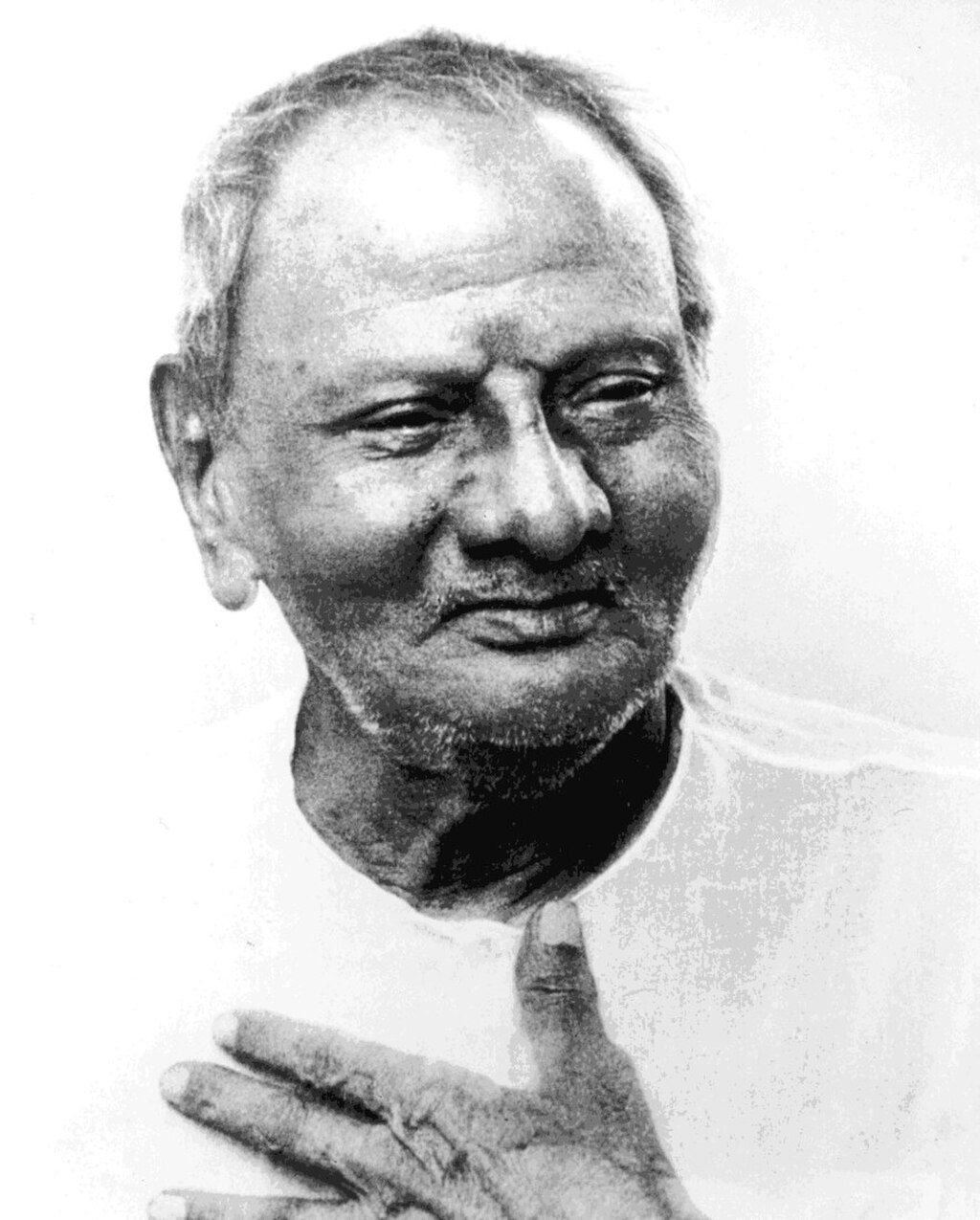
Nisargadatta Maharaj's assertion that "the self is not something to be found, it is something to be realized" invites us into a profound exploration of identity and consciousness. This statement challenges the conventional notion of self as a tangible entity to be discovered, suggesting instead that our true nature is already present, waiting to be uncovered. The stakes of this realization are high; understanding the self as a process of awakening rather than a destination can transform our relationship with ourselves and the world around us.
In a society that often equates self-worth with external achievements and material possessions, Maharaj's words serve as a gentle yet firm reminder of the deeper truth of our existence. The journey of realization is not one of accumulation but of shedding layers of illusion and misunderstanding. It beckons us to look inward, to engage in a contemplative practice that reveals the essence of who we are beyond the noise of daily life. This exploration is not merely philosophical; it is a call to awaken to the profound truth of our being.
The image / the metaphor
The imagery in Maharaj's quote evokes a sense of discovery that is paradoxical in nature. The verb "realized" suggests an active engagement with our inner world, implying that the self is not hidden away in some distant realm but is instead obscured by layers of thought, belief, and conditioning. To "realize" the self is to bring forth what is already there, akin to uncovering a hidden treasure rather than embarking on a quest for something that is absent.
Diving deeper into this metaphor, we can envision the self as a vast ocean, with our thoughts and experiences acting as waves that rise and fall upon its surface. The essence of the self remains constant and unchanging beneath the tumultuous waves of our daily lives. Realization, then, is akin to diving beneath the surface, where the waters are still and the true nature of our being can be experienced in its fullness. This metaphor invites us to embrace stillness and presence as we navigate the complexities of existence.
In the speaker's tradition
Nisargadatta Maharaj's teachings are rooted in the non-dual tradition, which emphasizes the interconnectedness of all existence and the illusion of separateness. Concepts such as *sunyata* (emptiness) and *fana* (annihilation of the self) resonate deeply with his assertion that the self is not an object to be found but a reality to be realized. In this context, the journey of awakening involves a profound letting go of the ego and the false identities we cling to, allowing us to experience the unity of consciousness that underlies all of life.
In his seminal work, *I Am That*, Maharaj articulates the notion that the self is not a fixed entity but a dynamic process of awareness. This aligns with the Buddhist concept of *prajna*, or wisdom, which encourages us to see beyond the dualistic perceptions of self and other. By recognizing that our true nature transcends individual identity, we can begin to experience the liberation that comes from realizing our interconnectedness with all beings.
Living the teaching
Consider a modern scenario where this teaching might resonate: a person grappling with feelings of inadequacy in their career. They may feel as though their worth is tied to their job title or salary, constantly searching for validation in external achievements. Maharaj's insight invites them to pause and reflect on the deeper truth of their being, encouraging them to realize that their self-worth is inherent and not contingent upon societal measures of success. This shift in perspective can lead to a profound sense of peace and fulfillment, as they begin to recognize their intrinsic value.
In the context of relationships, this teaching can also illuminate the dynamics we often encounter. Imagine a conflict arising from misunderstandings or unmet expectations. By applying Maharaj's wisdom, individuals can approach the situation with a sense of awareness, recognizing that their reactions may stem from a false sense of self. This realization can foster compassion and understanding, allowing for deeper connections and the possibility of healing. In both scenarios, the practice of self-inquiry becomes essential, guiding us toward the realization of our true nature.
A reflection
As we contemplate Maharaj's profound statement, we are invited to engage in a reflective practice that deepens our understanding of the self. What does it mean for you to realize your true nature beyond the roles and identities you inhabit? In moments of stillness, consider how the layers of your experience may obscure the essence of who you are. This inquiry can serve as a guiding light on your journey toward awakening, illuminating the path to a more authentic existence.



Join the BrightStar Community
Stay connected with daily inspiration, event announcements, and community wisdom